This analysis organizes the evidence behind where the Blockchain Game Market Still Has Opportunity, then explains the practical implications, trade-offs and current limits.
Read the evidence below as a decision trail: what changed, why it matters, which trade-offs shaped the result, and where the conclusion still depends on context.
In a previous article, I mentioned the blockchain game market. Future development of blockchain games should first focus on casual blockchain games (please read the previous article:How else can blockchain games be played: How can you grasp future development trends?), compared to MMORPGs and AAA-rated ARPGs, casual games generally have shorter development times and faster recycling speeds, making them a good "touchstone" for game token economic models, experimenting and simulating more complex economic models
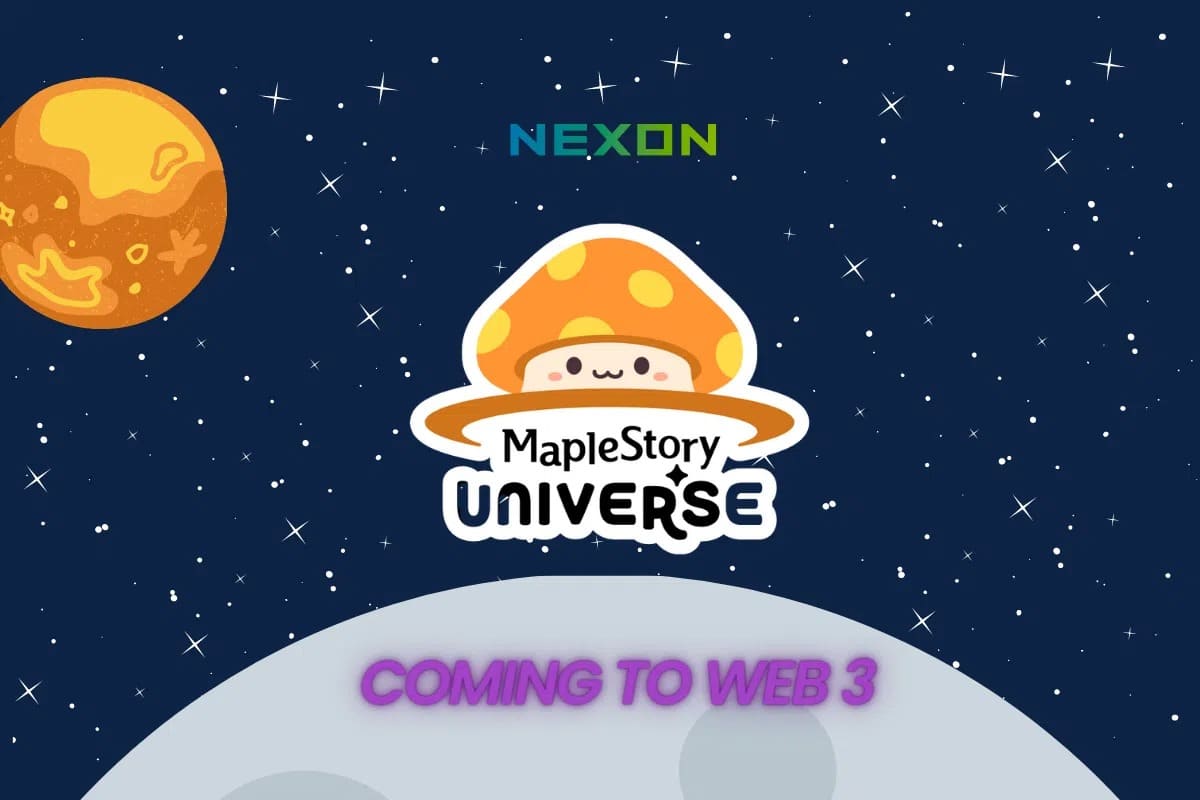
Next, let's dive deeper and look at it from the perspective of game development and design
Blockchain Game Market – What are the differences between casual games on Web3 blockchain and Web2?
The biggest differences are in the following three areas: NFT, token model, and social mechanism. As mentioned in previous articles in game design, player models are divided into four types: achievement-based, exploratory, killer, and social (see this article for related articles:How is the game designed? Gamer character model analysis, showing you 10 monetization points and 12 types of advertising emotional appealsThe mechanics of casual games can generally be divided into three types: satisfaction, achievement feedback, and rapid innovation. Through rapid innovation, players gain satisfaction during the experience, and achievement feedback prompts them to quickly engage in the next game
And Web3 blockchain games are the first to start NFT As non-fungible tokens, they possess irreplaceable and unique characteristics. Among the above player needs, they can greatly enhance the sense of satisfaction. Compared to traditional game completion items or rare items, NFTs truly achieve rarity in the true sense, enhancing satisfaction in the gaming experience
The second difference is the token economic model. In blockchain games, tokens serve as a bridge to reality. I won't explain the model in detail here, but if you want to learn more, you can refer to this article (Upgraded Blockchain Game Economic Model: Analysis of the Dual-Token Model in Blockchain Games) Tokens enhance player achievement feedback during gameplay. Achievement feedback in the game is no longer limited to in-game leaderboards or the thrill of defeat, but further boosts gameplay motivation, helping to improve overall game retention (but this assumes a well-designed economic model; currently, no game has truly achieved this).
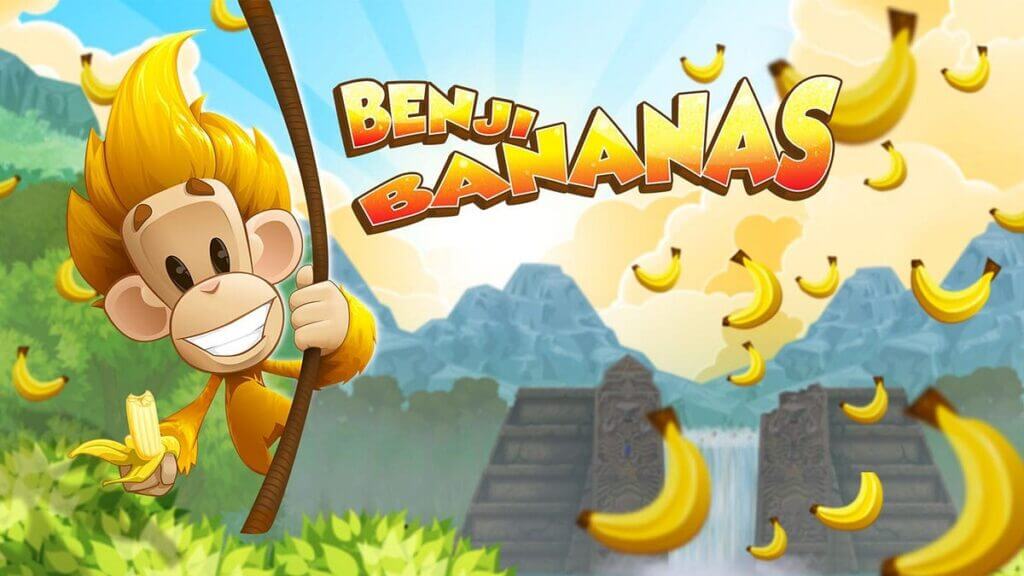
Blockchain Gaming Market – What are the key elements for the future of Web3 blockchain gaming?
In traditional Web2 casual games, most games between players are played independently, and social connections among players are weak. However, in Web3 blockchain games, socializing is indispensable, because the token economy model forces players to interact with the market and pay attention to the market. Market decisions also affect their in-game experience, effectively filling the gap where every player independently experiences the game in casual games social interaction will become even more important, and through social interaction, the game's lifecycle will be extended
On the other hand, casual games are known for their simple and fast experience, and their actual playability is lower compared to other genres. For the same group of players, it's unlikely they'll remain invested in casual games long-term. Judging by the current Web2 casual game retention, it's unlikely. But because token economics need to maintain their value,It's unlikely that a casual game alone can support a game's token economy; tokens must have other value attributesAt this point, a very important point emerges: it must develop into an ecosystem!
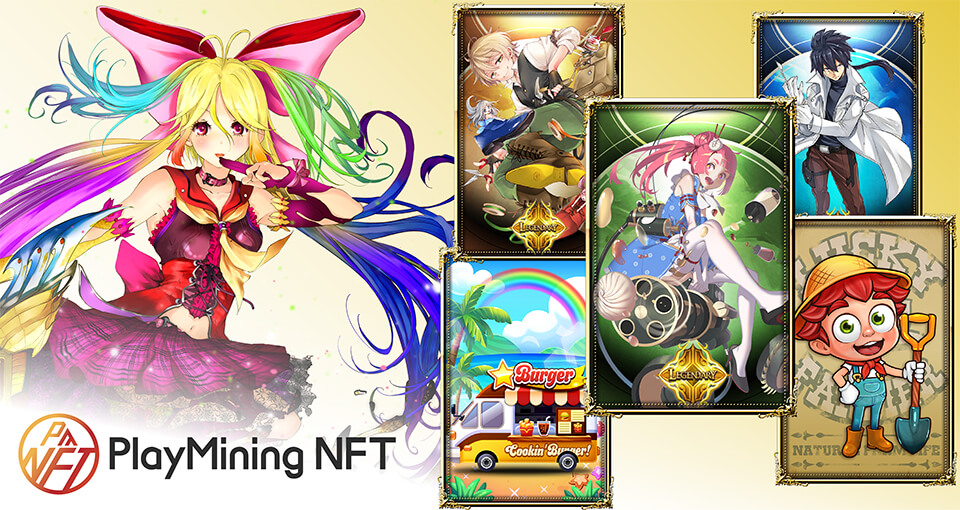
Who currently holds the key future elements of this blockchain game?
As mentioned in the previous section, the key factor is that the ecosystem must be developed to support the value of the tokenomics itself. So, do existing studios currently independently launch games that focus on open worlds and AAA blockbusters have a chance? First, looking at the ecosystem alone, it's hard for small studios to get in. Unlike Web2, which can be published independently and players are willing to pay, but in the Web3 blockchain game space, issuing coins is inevitable. Small studios struggle to survive solely on development speed and content
In the world of Web3 blockchain games, the ecosystem is richer than the one competing over who is competing. As mentioned above, casual games can serve as a stepping stone to blockchain gaming, but because of this,To maintain the token economy, you can't just shut down servers like traditional gamesSo, looking at the many blockchain games available today, you can judge whether a game has future potential based on how long it has been in development and its quality. If the game content is insufficient or playability is low, then the token's growth potential is limited
That's why many incubation platforms now attract investment from various small game studios, issuing platforms with platform tokens as the main token, all to form an ecosystem and maintain the token's value. Although most so-called games don't really qualify as games? Careless and unfocused investments can also undermine the platform's credibility, soThe incubation platform's currency can be judged primarily based on the games it has invested in or released!
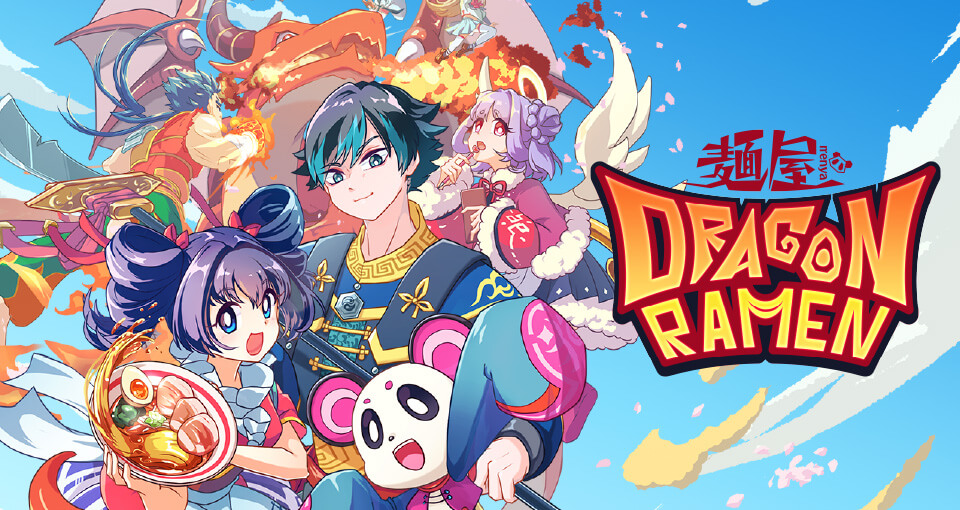
What are the future development opportunities for blockchain games?
Realistically, to support the value of a token's economy, everyone wants to enrich their ecosystem. In the gaming field, a rich ecosystem means someone owns the most IPs! Now that you've read this, do you understand why so many top-tier companies are making such a big deal out of acquiring IPs or collaborating (Microsoft and Nintendo sign a 10-year contract to supply XBOX games to rivals), besides the development of their own businesses, when major companies start to get involved in the future blockchain gaming sector, many current incubation platforms will be heavily affected. They may have their own markets, but maintaining the value of their tokens will become even more difficult!
Further reading
● NFT Marketing Strategy Sharing! Learn about the world's most successful BAYC explosive marketing!
● Blockchain Games: Why Does NFT Issuance Affect Retention?
● How else can blockchain games like GameFi be played: How to grasp future trends?
● Upgraded Game Economic Model: Analysis of the Dual-Token Model in Blockchain Games
What to take away
The article's value is in the evidence and trade-offs behind where the Blockchain Game Market Still Has Opportunity, not in treating the conclusion as universal.