This analysis examines comes After Play-to-Earn? and separates supported implications from claims that still depend on context or further evidence.
Read the evidence below as a decision trail: what changed, why it matters, which trade-offs shaped the result, and where the conclusion still depends on context.
What the evidence shows
Starting from the distribution of blockchain game players, this paper explores the future development of blockchain games
Since 2021, the Ponzi Pan (Mudgou) blockchain game has remained well-known up to now Axie Infinity, Currently, most blockchain game GameFi players are still from Southeast Asia. Judging from the current player distribution, it can be inferred that blockchain GameFi is still in its current stage P2E ( Play to Earn ) Stage,Most Southeast Asian blockchain gamers are more concerned about whether their games can be profitablePlayers who join blockchain games for profit can be called 'value extractors'
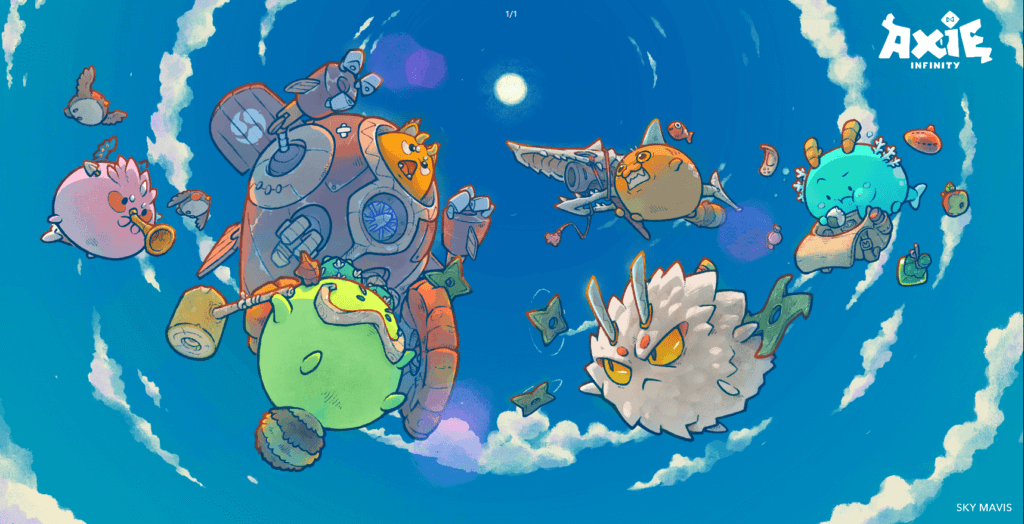
The reason why most players in Southeast Asia also represent the majority of 'value extractors' is mainly related to the current stage of national development. Compared to developed countries, developed countries have relatively higher incomes, which is attractive enough for players in developing countries to earn by participating in blockchain games (playing while earning). However, compared to users in developed countries,When income levels are high, the marginal effect of investing in blockchain games is relatively low, naturally making it less attractive
As the distribution of players changes, the future development of blockchain games will undergo a qualitative transformation
Looking at the trends in game categories, blockchain games began with the concept of Gamefi proposed by Web3 professionals, and games were created by those familiar with Web3. This led to the emergence of fund-based 'farmers.' Then, as Web2 experts became familiar with Web3, truly 'games' with game mechanics began to emerge
The earliest games that appeared were "card-type NFT games" and some variants of NFT applications. Then, after the appearance of game-like NFT cards was modified with some strategic changes and strengthened collection incentives, strategic blockchain games emerged, and so far, games have taken shape.
Next, let's look back at the development history of games—from the earliest web games to PC games, console games, and now Mobile Games. Let's see if blockchain games have evolved from the initial web funding platform to now the PC game aisle, and will soon quickly move into mobile games. With current technology, this process will be even faster than before, or rather, applications have already appeared.
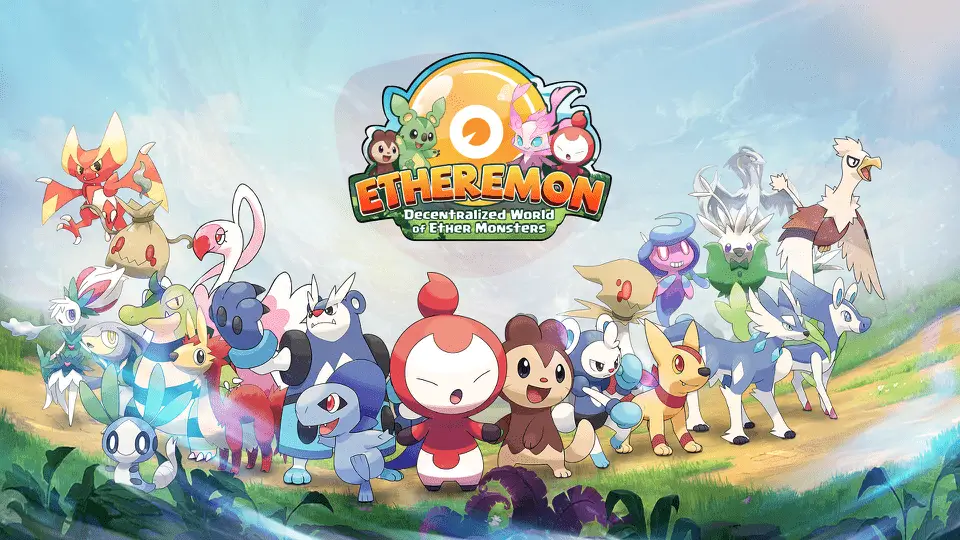
Blockchain games have evolved from fund schemes, NFT cards, and strategies, and now many major companies have announced plans to launch them MMORPGHowever, the editor believes that none of the currently released MMORPGs have a market-proven and successful tokenomics cycle, and many "touchstones" are needed for verification. From a game development perspective, the fastest way to verify the quality of the economic model is not to develop a very impressive game and then install it; such development takes too long
And yet,The game categories are mainly 'casual' and 'super-casual', with short development times and quick recovery, allowing quick results, and casual and super-casual have the advantage of lower entry barriers for players,This helps provide more "touchstones" to join the game in verifying the economic model and any potential related issues, and blockchain games will see the emergence of even more diverse products in the future
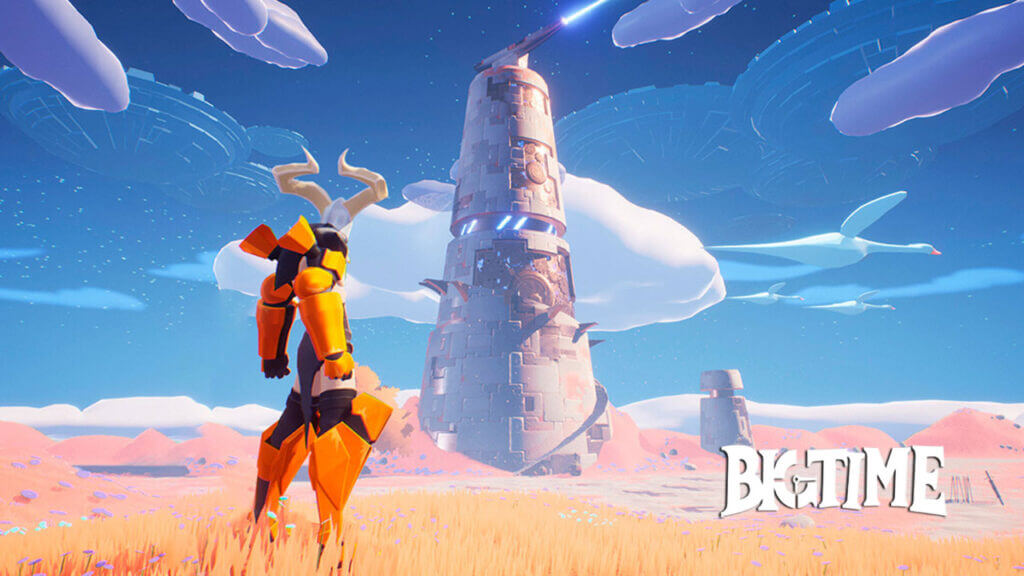
Future MMORPG-type blockchain games will have the following features:
- Economic and Social Models:Every character and item in the game can be given value. Through blockchain technology, digital currency circulation and exchange are realized, allowing players to earn economic benefits through the game, and social interactions within the game will have an impact.
- Co-ownership:Blockchain games will realize true ownership of in-game assets through NFT technology, allowing each player to own specific assets in the game and freely exchange them.
- Decentralization:The development, publishing, and management of games will be decentralized through blockchain technology, allowing players to participate in game development and governance.
The key to economic models is how to maximize revenue. When many "casual and super-casual" blockchain games sprang up after the rain, it signals that real opportunities are about to emerge—recognize and seize them early!
Gwarket
You might like these articles
● Blockchain Games: Why Does NFT Issuance Affect Retention?
● How else can blockchain games like GameFi be played: How to grasp future trends?
● Upgraded Game Economic Model: Analysis of the Dual-Token Model in Blockchain Games

What to take away
The article's value is in the evidence and trade-offs behind what Comes After Play-to-Earn?, not in treating the conclusion as universal.