This analysis organizes the evidence behind designing Game Monetization Around Player Motivation, then explains the practical implications, trade-offs and current limits.
Read the evidence below as a decision trail: what changed, why it matters, which trade-offs shaped the result, and where the conclusion still depends on context.
How is the game designed? It helps you know what players want when designing games, organizes timely events during game operations, and organizes ad creatives!Before we begin, let's play a little quiz to see which type of player you are:http://bit.ly/3uQc4az
The player classification theory proposed by Richard Bartle in 1996 has many definitions available online, but here we will discuss itThe key is "the setting of payment points and the emotional appeal of the ads."
- Why do we need to know what types of players there are?
- First, let's understand these four basic classification models
- Classification models are applied in game design10 payable points are set up
- Identify the creators of advertising creatives from the classification model 12 emotional appeal
- Conclusion: Limitations of model applications and important points to note
PS: If you already know the type classification, you can start reading directly from point 3
— — — — — — — — — — — —
How should games be designed? Why do we need to know what types of players are?
To better understand which game content players find interesting, and to understand how different types of players behave in various situations, it helps toYou can set up mechanisms specifically designed to attract specific groups
In advertising placement and market operations, it can also target specific players,The same game offers content that satisfies different players!
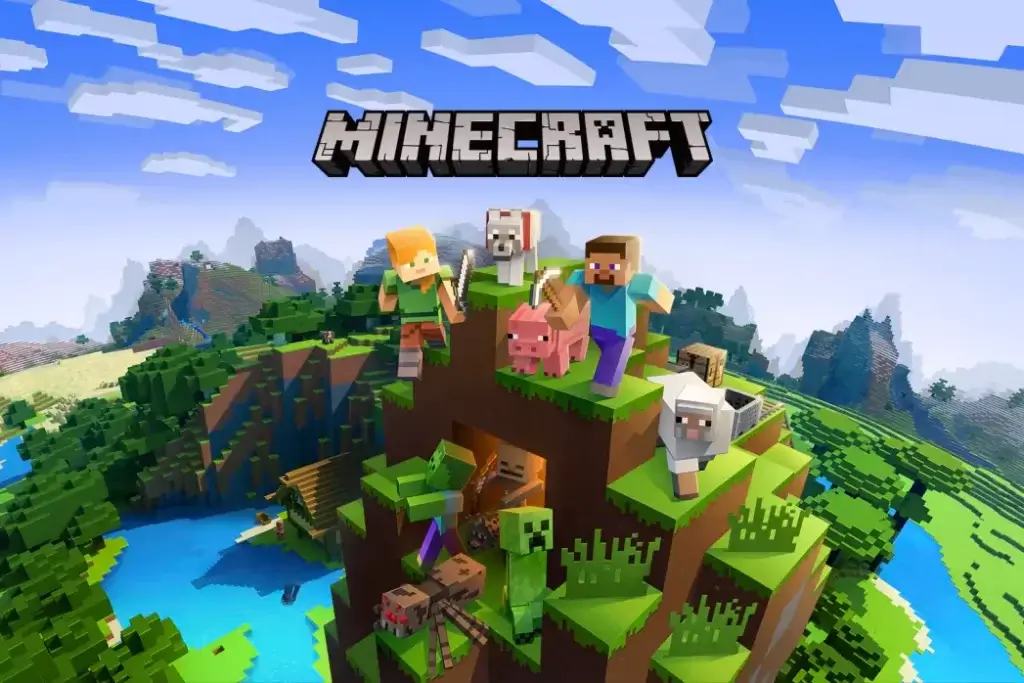
Let's see which of the four types you belong to
The more actively you play the game, and the more you play enough, the more accurately you can infer your personality type, and vice versa
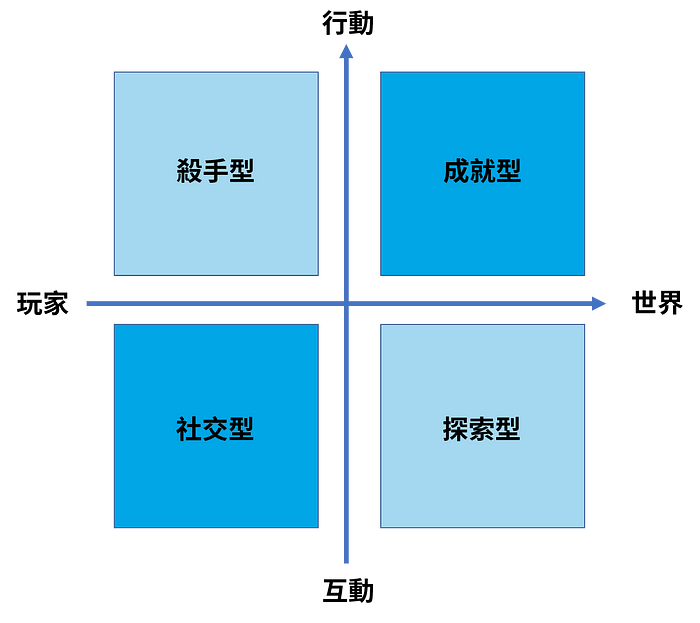
First, a quick explanation: this model divides players into four types based on "interaction targets" and "interaction methods."
- Players in the first and second quadrants mainly perform actions on in-game items or characters, focusing on external acquisition
- Players in the third and fourth quadrants tend to build deep interactions with items or other players, focusing on internal acquisition.
After completing the above quiz, you can look at a simple explanation
Find out what type of player you are (the key point is discussed below!). )
Exploratory Type:
Value whether you have enough understanding of the game, enjoy interacting with the game itself, and focus more on the gameplay process rather than the result

Social type:
Value interaction with other players, expand your circle of friends by joining or forming guilds, and even social connections outside the game (have you ever seen a social leaderboard in games?).) can be further divided into active and passive types (see explanation below)

Achievement Type:
He values his "completion" in the game (cap, combat power, full achievements), enjoys overcoming various difficulties, even though this requires repeating the same tasks (farming soldiers, skipping endurance quests).

Killer type:
Enjoy the experience of destroying others... (You read that right) They value evaluations after battles with other players and like to disrupt the game world. They can be divided into two types: one to show off their strength, and the other to harass or anger other players:
How is the game designed? Find 10 pay-to-win points from 4 types of player models
Tips: Achievement-type groups are the most likely to consume
Social players can be used to expand the player base
Killer players are indispensable, because games without competition gradually lose their appeal
Achievement-type players:
1. Obstacles are set in the ways players can 'win the game.'
The way to win the game is to master it thoroughly and set obstacles along the path players complete (level, power, equipment) so they can do itEnjoy the thrill of completing the act quickly by paying for it
2. Create a stage for achievers to showcase themselves
The achiever enjoys the moment of achievementThe thrill of "showing off" to others, so to give the achiever a chance to showcase it, it can beAchievement leaderboards, special achievement rewards, and even official introductions to achievers,Give achievers the chance to share their stories with other players
3. Setting up a necessary 'competition' when collecting 'rare' items
Collecting rare items is a passion for achievers, but adding competitive elements beyond collecting can enhance the thrill they get, and it can also be a great way to enjoy itTo overcome "competition," they chose to pay

Explorer-type players:
1. Adding "variation" to a consistent game environment
Interspersing "fun" variables within the same game background is like setting up a hidden entrance in a desert, which happens to require obtaining a difficult key. This key can be quickly obtained through "payment," applicable to 2D scenes, 3D scenes, and even UI design
Exploratory players easily get bored with repetitive, completely unseen games
2. Give "surprises" beyond the game's objectives
Exploratory players often do things beyond their original settings. For example, in a pitch-black place with only a single light telling you which direction to go, you deliberately head into the darkness and trigger a new level. The new level is extremely difficult and requires increasing your combat power to clear it
3. Creating an "Environment" Where Explorers Are Not Disturbed
Because there are killer-type players, and killer players interfere with the exploration process, it's not just about blocking killers. Instead, you need to "provide gaps" like setting up safe zones, but to stay in safe zones, you need to buy items or sell "invincible potions for a limited time."
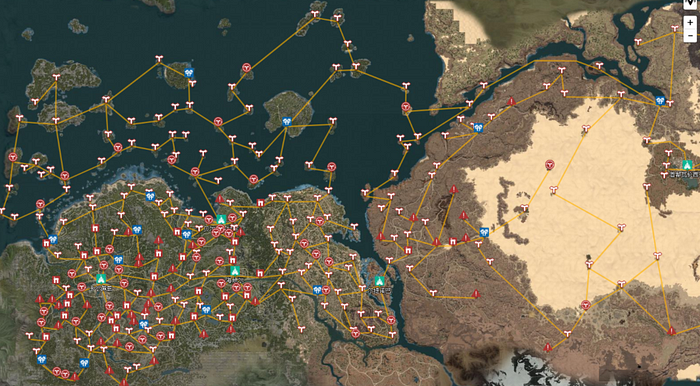
Killer Player:
1. Setting obstacles on his "path of destruction."
Killer players need to become stronger before disrupting others' experiences in the game. There are countless pay-to-win points to set up along the way (equipment, levels, abilities, special effects...)) allowing them to keep paying to shorten game time and enjoy the thrill as quickly as possible
2. Give the thrill and reward of "pursuing goals."
Besides destruction, killer players focus on honor, meaning they gain admiration or envy from others after destruction. Paid points can be placed on visual effects, shiny and eye-catching weapons, obvious rankings, reviews, and so on
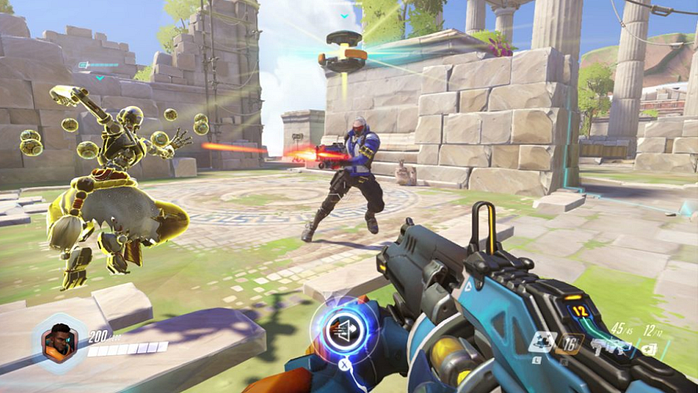
Social Players:
Here, we further divide socializers into two types, which makes the following discussion easier to understand
1. An active emotional socializer
They are typical social enthusiasts, passionate about interacting with other players. Paid points can be set up for the most basic need, namely socializing, such as paying to buy items or emojis to post in a channel. More advanced options include the Close Friend System and the Marriage System, which are also great paid points
2. Passive socializers
This type of socializer is not actively seeking interaction with "other players" but focuses more on in-game interactions, such as building relationships with NPCs (the wife system), raising pets, creating and managing their own homes, and enjoying the thrill of "social accumulation."
Paid points are set up for objects in the home system, NPC advanced interaction unlocks, guild territory expansion restrictions, and more
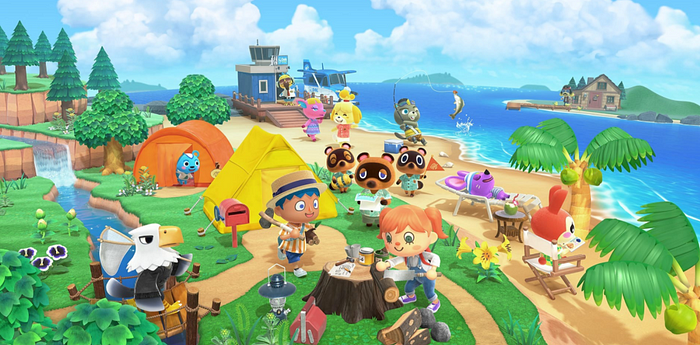
How is the game designed? Find 12 emotional needs for creating ad creatives from player models
When making an advertising video, there are definitely many game features you want to showcase, but cramming them all at once may not be as effective as enhancing a single feature (effectiveness still depends on channel and budget).
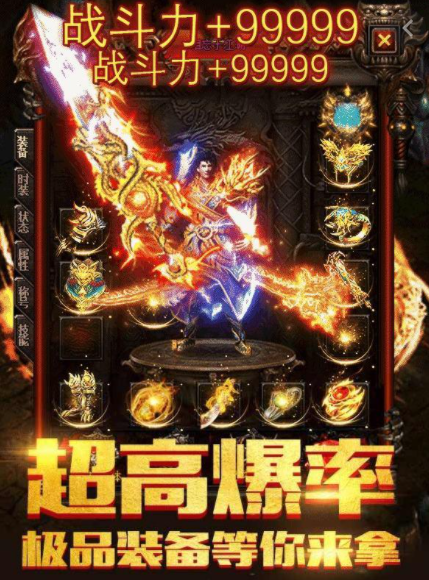
1. Achievement type: satisfaction, hierarchy, possessiveness
Example: Many disposable mobile game ads today are (enter TK888 to claim virtual items, start X consecutive draws)
Since achievers are the easiest group to pay for, this type of advertising is rampant, but as long as enough achievers are caught, it can bring considerable revenue to the game
This type of ad focuses on 'acquisition' and 'tier'
That's why this type of ad exists in the market—because the creators are the most valuable

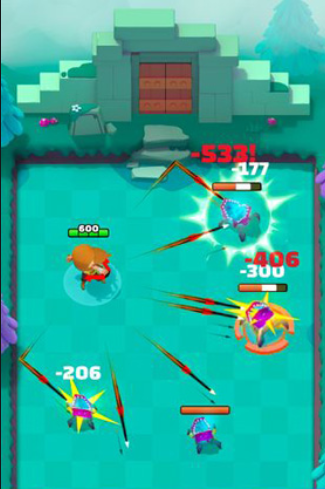
2. Killer type: rapid stimulation, heavy strategy, need for control
Example: Hardcore shooter game advertisement
Hardcore shooters perfectly meet the needs of killer players, thoroughly satisfying the thrill of disrupting other players' experiencesFor an operation-type game, it can...
The display of a strong desire for control is like elements of 'grabbing' and 'occupying.'
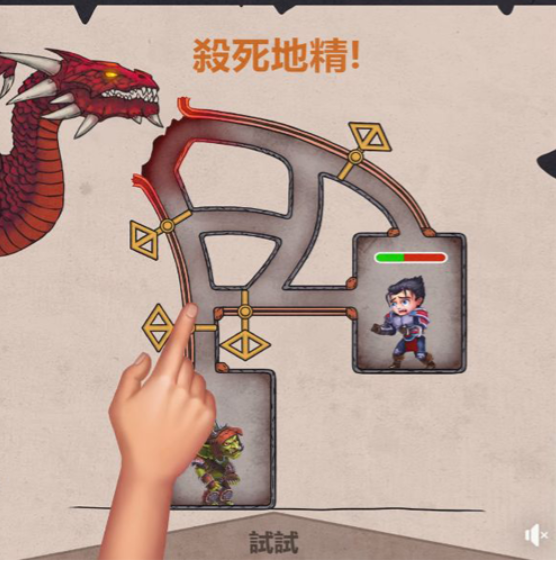
3. Exploratory type: Innovative, logic-oriented, and eager for knowledge
Example: Pull-tab game advertisement
The game seems simple, but it really tests observation skills, brainpower, and logic. Combined with unique mechanisms and story-driven puzzles, it perfectly suits the interests of explorers
The key point of advertising display is "Surprise" and "Continuity"
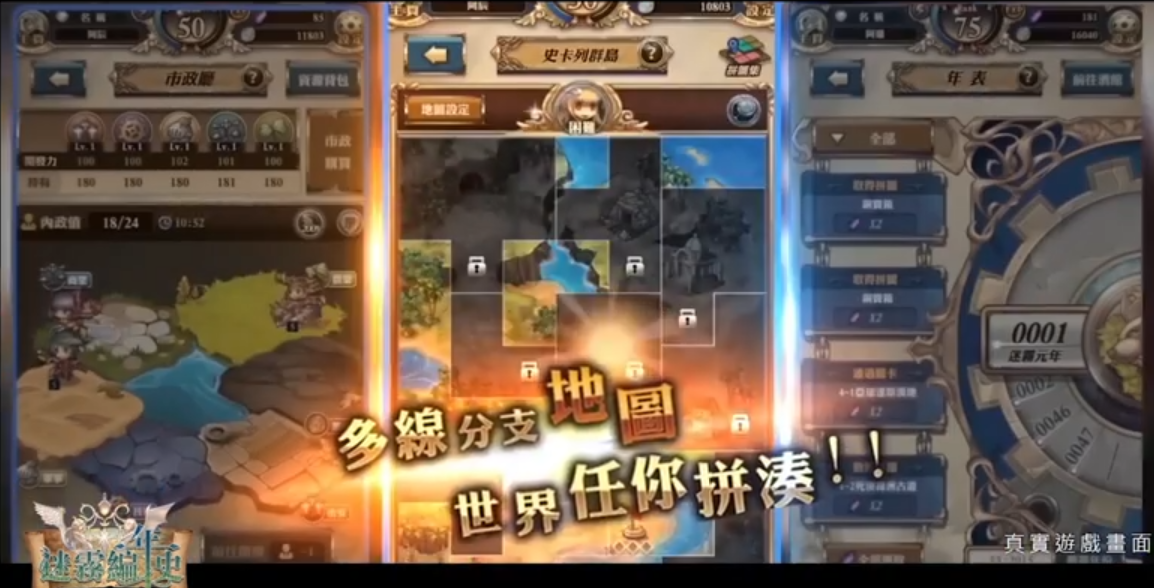
4. Social type: Sensitive, story-driven, and a strong sense of belonging
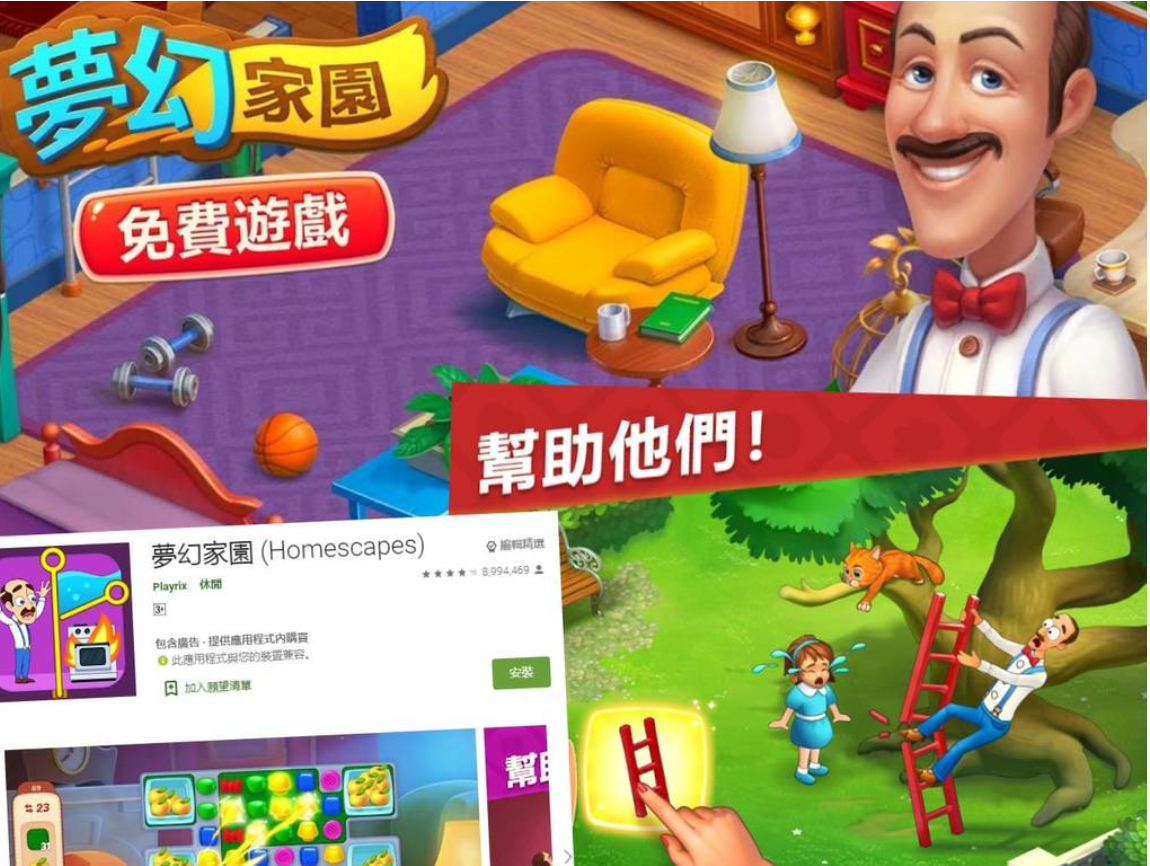
Example: Managing game advertisements
The following advertisements for Fantasy Home show players asking for help with NPCs, meaning interacting with NPCs and performing other management activities. This perfectly matches the social orientation. If the game requires a large player base, it needs to emphasize interaction, story, and management elements
The key point of advertising display is "Dialogue, 'Business Accumulation'
Limitations and important considerations for model applications!
As players deepen their understanding of the game, their needs change, which in turn changes their type, so fundamentally, no theory or model can fully predict human behavior, the same applies psychologically; during gameplay, players also learn and grow
Setting up payment points doesn't guarantee you'll spend money; every player plays a different role, so setting them is meant to help players enjoy themselves more quickly
What we need is not to categorize and break down players, but toA principle that can explain phenomena is needed to help game design know what players want, and during game operations, events can be held in a timely manner, so that the production of advertising materials can be targeted!
Further reading
- Starting from scratch, I'll guide you through retention rate, the three variables that affect retention, and the five common retention types
- 16 key metrics to maximize retention
- 10 Optimization Goals for Retention from the Gamer's Perspective

What to take away
The article's value is in the evidence and trade-offs behind designing Game Monetization Around Player Motivation, not in treating the conclusion as universal.