This analysis examines why social Systems Matter in Blockchain Games, what evidence supports the argument, and where the conclusion still has limits.
Read the evidence below as a decision trail: what changed, why it matters, which trade-offs shaped the result, and where the conclusion still depends on context.
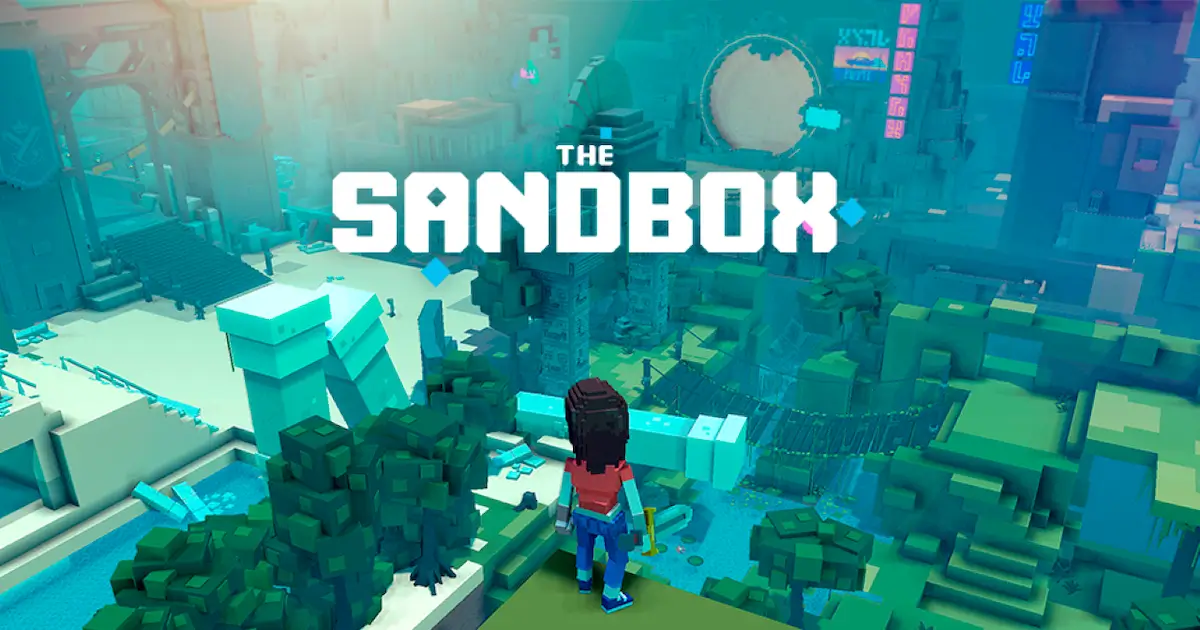
All metaverse projects are moving closer to blockchain games. NFTs themselves are no longer just NFTs, but may become a new model of play-to-earn as part of Gamefi. Recently, many projects have jumped on the bandwagon《The Sandbox》Now that adds some credibility, let the editor at Wan take you through the importance of social mechanisms in blockchain games!
Why incorporate social systems into game design? Wouldn't it be better to take single-player games to the extreme? Social systems can be found in most games. Whether strong or weak, social elements are included. Social interaction can be for real people or for in-game NPCs!
So why do people socialize within the game? Or what is the importance of social systems?
So let's first return to why we play games...
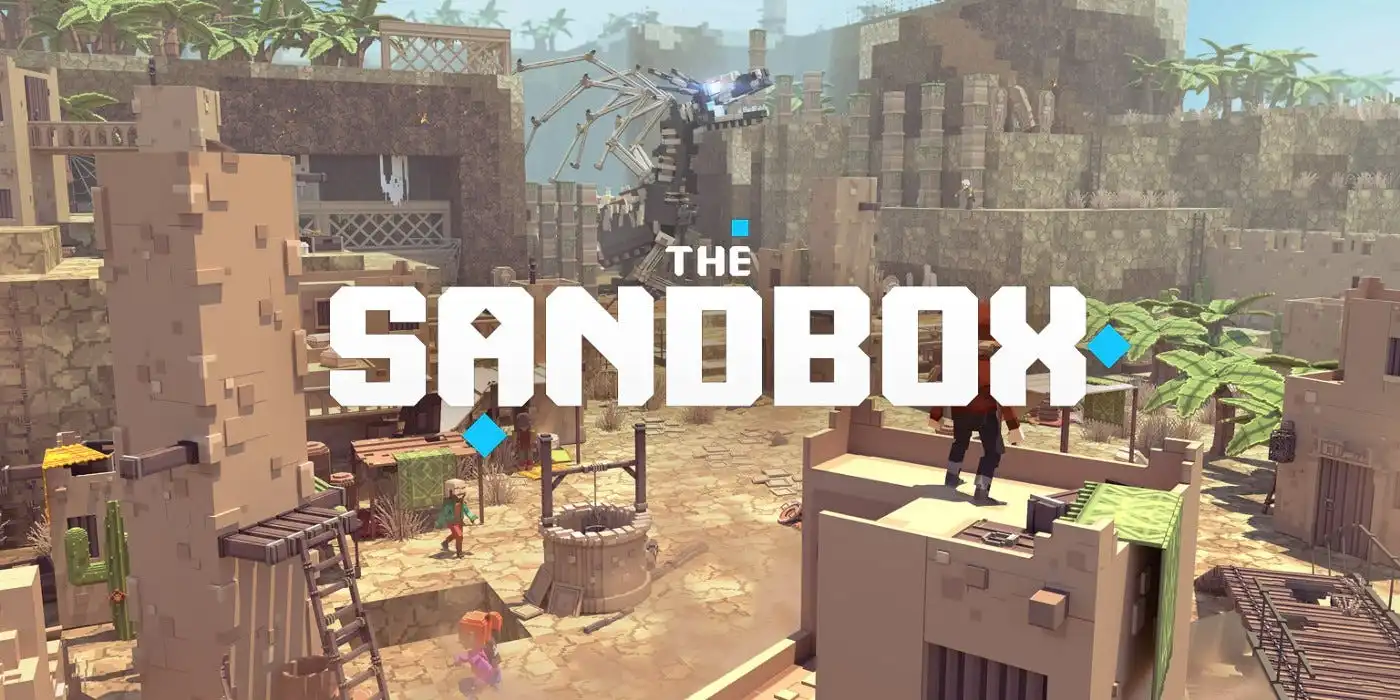
Why play games? What makes the game so fun?
Everyone has different reasons for playing games, but what they have in common is that they want their needs to be met, and the needs they satisfy can beEmotional needs, physiological needs, self-actualization needs, dignity needs, belonging needs, and security needsEverything is about satisfying each person's different needs through gaming, creating a sense of joy and satisfaction through these needs—or you could call it 'fun.'
Social systems are an important tool that not only meets needs but also amplifies satisfaction!
PS: This article focuses on analyzing other needs of social systems and will be included in other articles
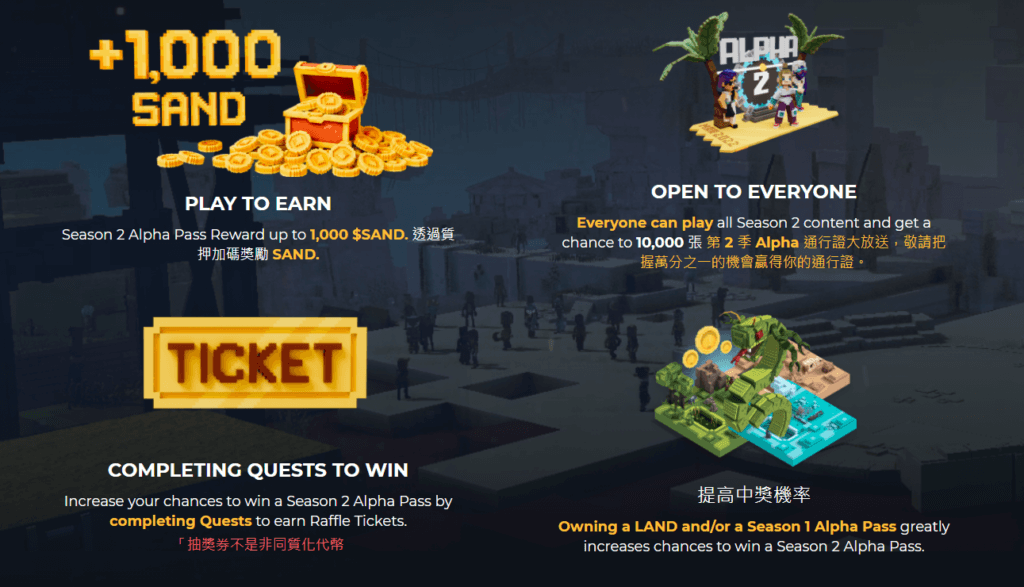
Looking at players' gaming behaviors, it corresponds to four types of gaming fun!
Gaming behaviors can be divided into experience, learning, growth, and socializing. These four types of play each correspond to a sense of enjoyment: novelty, satisfaction, achievement, and belonging
- The gaming experience refers to the first visual sensations you experience before officially starting the game, such as the game's visual style, world background story, character settings, and subject selection. These visual sensations satisfy your desire for novelty and bring you enjoyment!
- Game learning represents the systems you encounter after you start playing, such as skills, stats, attributes, and battles. By experiencing these gameplay modes and gaining positive feedback, you gain a sense of satisfaction from playing!
- The literal meaning of game growth is straightforward: developing characters, collecting treasures, and comprehending operations—whether it's accumulated satisfaction or completed experiences, all bring a sense of accomplishment
- Game socializing is the highlight of today! Humans are social creatures; everything in life depends on teamwork, cooperation, and help. After completing something, everyone needs to discuss or share with others to gain achievement and satisfaction from the affirmation they give. The satisfaction gained from this kind of interaction is called a sense of belonging, a feeling of "Ah~ that's right, we are the same kind of person!"
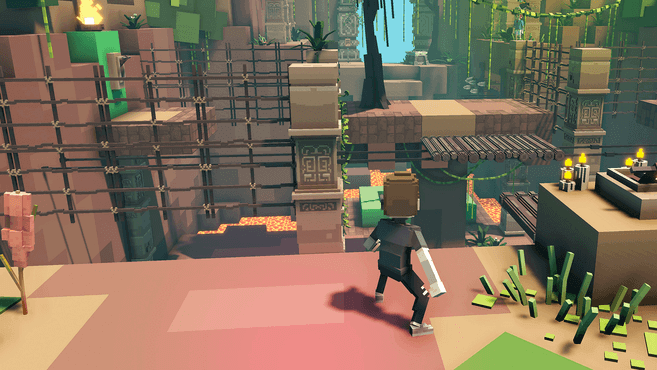
Socializing is a tool that amplifies the satisfaction of gaming!
As mentioned above, learning through games brings satisfaction, growth through gaming brings a sense of achievement, and gaming socializing amplifies the sense of achievement and satisfaction, creating a sense of belonging! From this, we can tell! Social systems play a crucial role in this gaming journey!
Among all gaming behaviors, socializing serves as an act that amplifies emotions, infinitely amplifying the fun you gain during gameplay! This is why most MMORPGs emphasize teamwork, guilds, rankings, and competition—because all actions require socializing, and socializing is a crucial part of the game's later stages of operation!
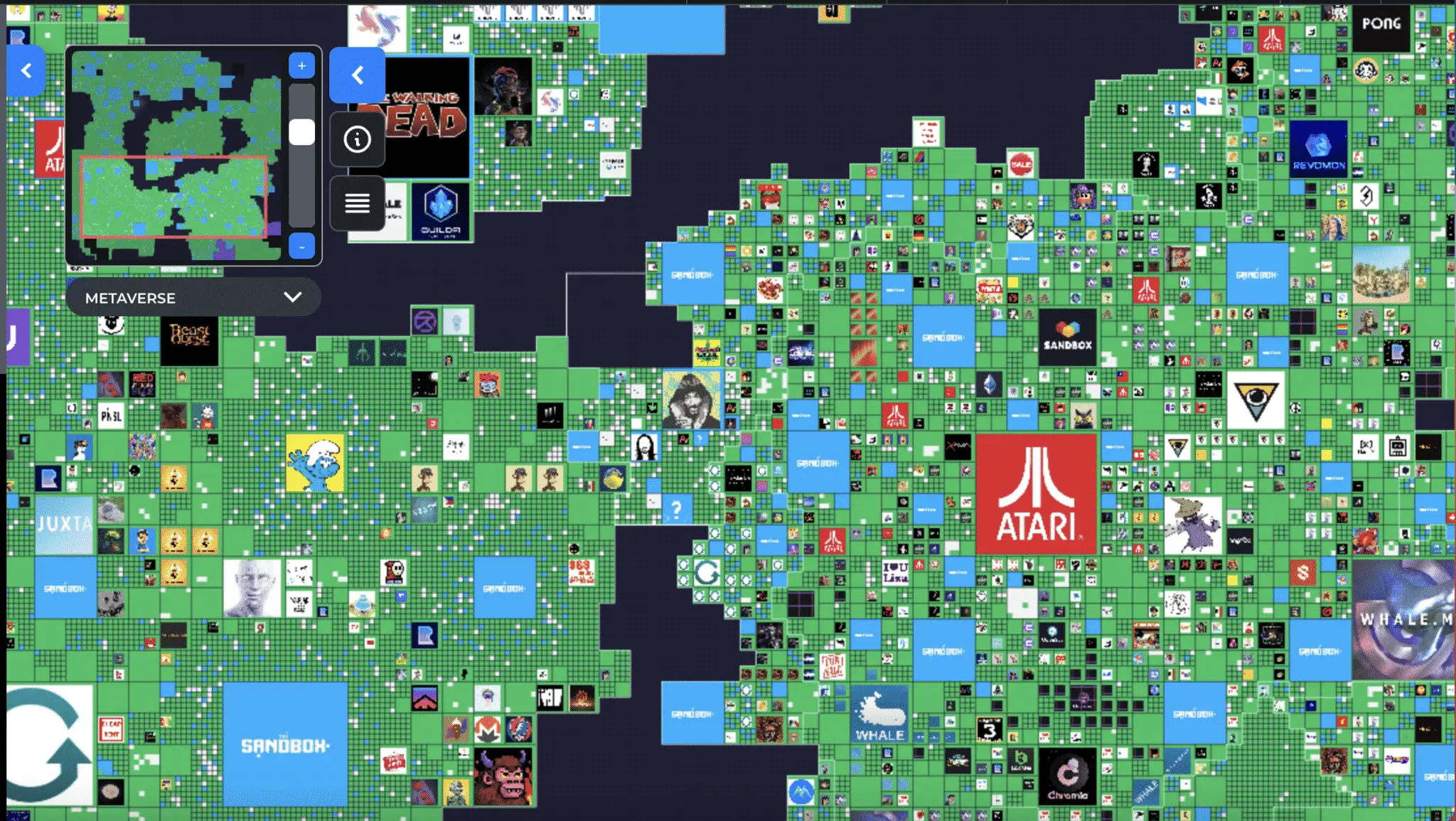
Do blockchain games necessarily have social mechanisms? How can the token model be sustained? Earn money while playing?
Absolutely necessary! At the end of 2021, many 'Dougou Schemes' (Ponzi Scheme games) were launched in the blockchain gaming market. These types of Ponzi Schemes are a way to make money after you invest your initial capital, but these games themselves have no gameplay mechanics and are all operated through the system's own calculations!
Most blockchain games with this type of capital scheme crash and decline shortly after launch. Setting aside the idea that the publisher just wanted to make a quick profit and then ran off (damn it, they were treated like chives...
From the perspective of game operations, the editor will guide all the fans from the perspective of game operations,What happens if a blockchain game has a social system? As mentioned earlier, most capital pool blockchain games have no social elements at all, so your sense of achievement comes purely from making money. But clearly, the risks of these types of blockchain games far outweigh the benefits of making money, so fewer and fewer people dare to get involved
Next, blockchain games themselves need countless players to join in to sustain themselves, which is the popularity and value we discussed in our previous article(If you haven't seen it, you can click here to see the previous article: GAMEFI Economy Analysis | MIR4 Legend 4 | If the official team wants to make money, so do the players—where does the money come from? )
Nowadays, whether it's PC or mobile games, most games can be maintained through the involvement of big spenders (in plain terms, Big Spenders can give me the concept of playing games). But if the number of people in blockchain games is too small, they can't support a complete token model or economic system.It requires participation from people and many people to sustain it, so a "social system" that can attract and sustain foot traffic is the top priority in blockchain gaming!
Just imagine, how long can an unpopular blockchain game survive?
What to take away
The useful decision is not to accept the headline at face value, but to test whether the evidence supports social Systems Matter in Blockchain Games in the reader's own context.