This analysis examines why blockchain Games Adopt Dual-Token Economies, what evidence supports the argument, and where the conclusion still has limits.
Read the evidence below as a decision trail: what changed, why it matters, which trade-offs shaped the result, and where the conclusion still depends on context.
The significance of the dual-token model in blockchain games
The application of blockchain technology in the online world is becoming increasingly widespread, and gaming is one of them. The dual-token model for blockchain games is a new business model developed based on blockchain technology. It refers to two different tokens existing simultaneously in a blockchain game: one in-game token and one blockchain token. The emergence of this model can completely break the closed economic system of existing games, combining real-world currencies with game tokens to achieve broader value circulation and exchange.
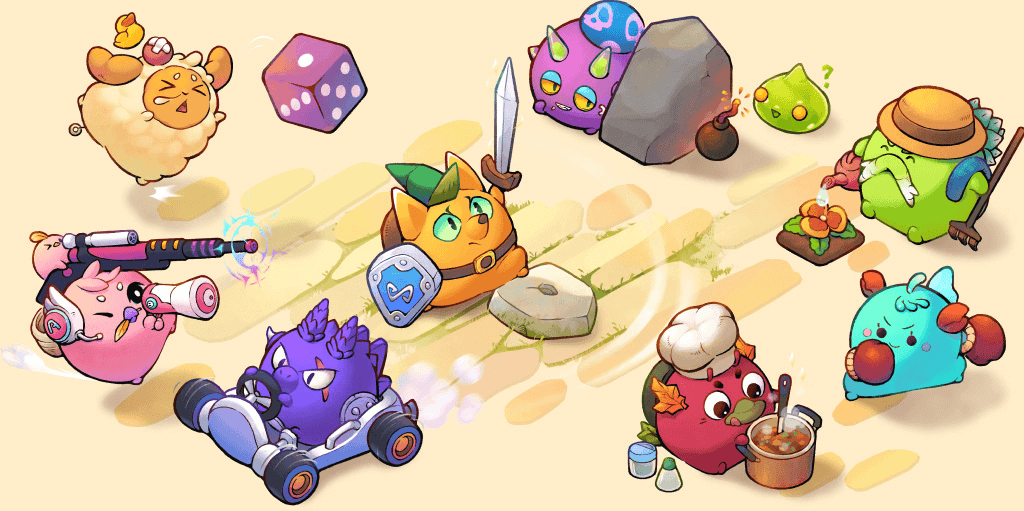
What is a Game Crypto Token (Game Currency)
Simply put, game coins build a bridge between players and the system. A process of value conversion allows players to spend time acquiring items and then selling them to obtain tokens. Players can also use tokens to save time and acquire items. Tokens in blockchain games are products that link the value of game currency to the real value of money
Crypto tokens in blockchain games can have many different utilities, but the most important essence remains the value conversion of "transactions." In blockchain games, transactions are the same as in regular games, distinguished by
- System Trading: Players can pay by trading with the system to earn game progress, i.e., in-app purchases. System purchases include monthly passes, passes, items, and more
- Player Trading: Players exchange resources through mutual transactions and payment within the game. Players can trade items, NFTs, currency, and more
These two types of transactions are quite common in regular games, but once crypto tokens are added, they become even more complex because their value fluctuates. You can see that most current game token utility occurs through these transactions
What is the utility of crypto tokens?
- Financing: Crypto tokens are the biggest visible element in blockchain games. High-priced crypto tokens often directly reflect the overall state of the game (excluding the possibility of fraud here).
- Speculation: The essence of speculation comes from the design of blockchain games themselves. If designers design crypto tokens for speculation, it will initially attract a large number of users and capital, increasing popularity and exposure. For existing blockchain games, this is the fastest way to gain fame, but it can also deal a fatal and irreversible blow to the game. This issue needs to be addressed early in game design (see this article for details):Blockchain Games: Why Does NFT Issuance Affect Retention?)
- Governance: Rather than calling it governance, it's easier to understand it as stocks or securities. Companies can control issuance and price by distributing dividends, splitting shares, and so on. The same applies to crypto tokens
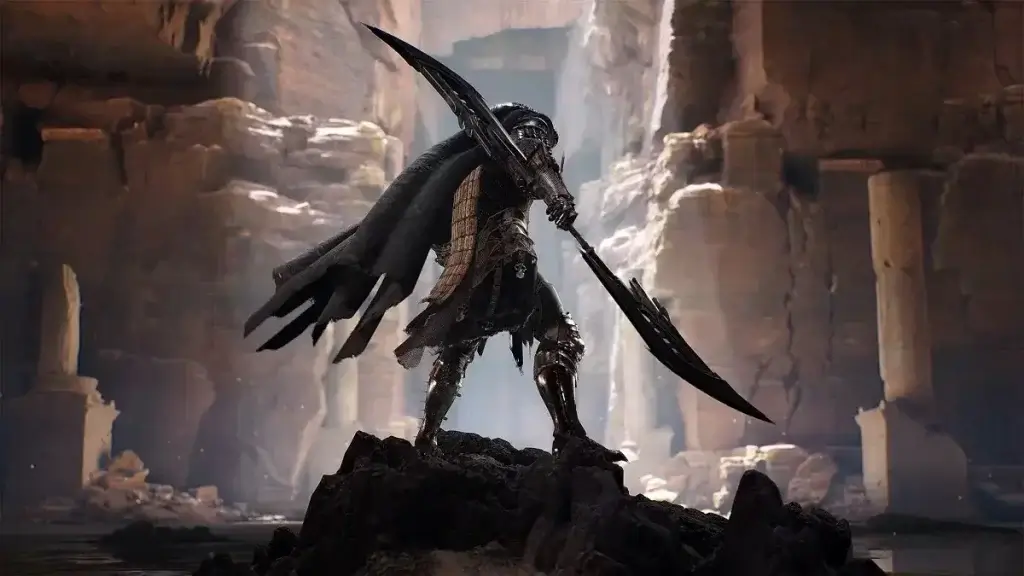
Blockchain games with dual token models
Here, we'll analyze it directly from the current blockchain games Axie Infinity For example, he issued two tokens: one is the AXS fixed supply token, and the other is SLP Variable supply tokens: the two currencies have different utility for the game. AXS, as a fixed-supply token, will increase in price over time, while SLP's utility is used to maintain balance in the game's economic model
These two tokens form a dual-token model, separating speculation from the in-game economic model. The external AXS price will not affect the in-game economy, and SLP will be able to control the game's economy to avoid collapse. However, the downside lies in the game's design. If the fixed supply token is positioned as speculative in design, then most of the players attracted will essentially be "value extractors," which will affect game retention. As speculative trends fade, Tokens that lose their story will lose their intrinsic value and enter a process of accelerated death
(Note: This does not mean tokens cannot be used for speculation, but rather that the game design requires comprehensive planning for the token's development.)
How to solve the issue of the utility of fixed-supply tokens themselves?
Since the initial goal is mere speculation and will ultimately lead to accelerated death, how can we solve the problem of the utility of fixed-supply tokens themselves?
Many games are currently experimenting with the following two utility types
- Staking:Using your crypto tokens or NFTs to acquire more crypto tokens or NFTs essentially only continuously satisfies and amplifies "speculation" behavior. From the token itself, it serves as a dilution protection, allowing more tokens to circulate in the market. The solution here is to add more value to the token itself in staking, giving staking meaning rather than simply amplifying speculation
- Dividends:Through the above staking, you can receive some in-game currency or items. However, receiving in-game currency or items breaks down the barriers between speculation and the in-game economy, which can affect prices on both sides. You may also receive various fees from game transactions. These fees could normally be used as funds for ongoing game development or features, but if shared purely through dividends, it will accelerate the consumption of game funds. Unless some external system intervenes, tokens and the game's value will gradually be lost, as this also amplifies speculation
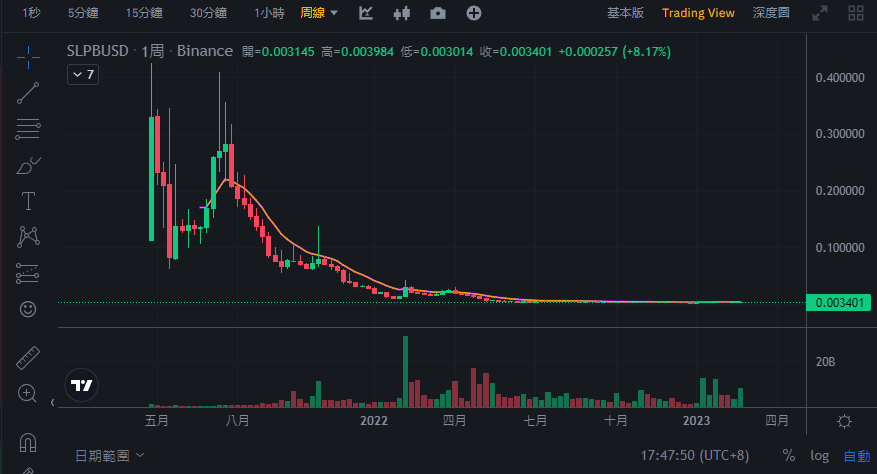
Axie Infinity provides utility for fixed-supply tokens
They introduced AXS into the game, which can be consumed during breeding AXS As a cost, this decision breaks the split between speculation and game economics mentioned above. Although developers can recycle AXS and repurpose it for other purposes, such as deleting or recirculating it, this approach also turns AXS into a form of in-game currency
This leads to a change in the demand for AXS itself. What was once pure speculation has now become a kind of demand for the game. While it does create demand for existing players, when it comes to the token itself, if speculators dominate, then this demand may not concern most holders, and eventually, AXS holding will lose its meaning
To solve this problem, we need to return to the token's own utility. The most important function of AXS is its appearance to attract new users, which is the driving force for new users. We should consider how to drive up the token price from the perspective of supply or value, thereby attracting more users
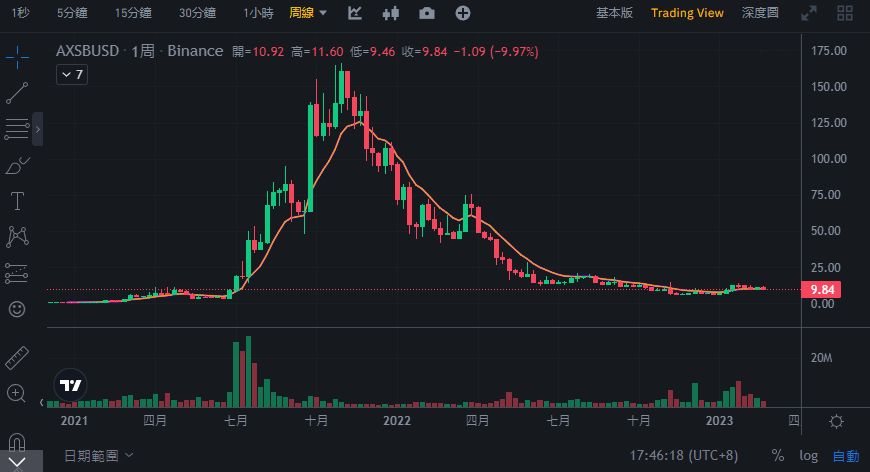
The ultimate solution for fixed-supply tokens
After reading the above and understanding the concepts,The ultimate solution for fixed-supply tokens in the dual-token model of blockchain games is to build a strong and powerful [brand]Simply put, besides speculation being a fast way to expand and attract new users, long-term sustainable operation requires real application scenarios and diversified development of tokens. If a game or token alone can maintain high prices for long, it's impossible. Blockchain game fans can think about it: is there any game that has kept you playing for over a year?
Further reading
● Blockchain Games: Why Does NFT Issuance Affect Retention?
● How else can blockchain games like GameFi be played: How to grasp future trends?

What to take away
The useful decision is not to accept the headline at face value, but to test whether the evidence supports blockchain Games Adopt Dual-Token Economies in the reader's own context.