This analysis organizes ten Ways to Improve Player Retention into a practical comparison of evidence, decisions and current limits.
Read the evidence below as a decision trail: what changed, why it matters, which trade-offs shaped the result, and where the conclusion still depends on context.
Want to improve your game's retention? This article will share 10 ways to improve retention rates and help your game retain more players
For easier understanding, the first two parts will be divided into three parts. If you haven't read the first two, you can start with them

By mastering these optimization points, you can achieve great retention performance for your game!
- Why look at it from the gamer's perspective?
- Gamers leave their impressions:3. Optimization objectives
- Gamers watch the three retentions:3. Optimization objectives
- Gamers watching Qiliu:2. Optimization objectives
- Gamers looking at 30 reserved / 180 reserves:2. Optimization objectives
- The golden rule of remaining「40–20–10」Is it suitable for games?
He followed up directlyPrevious article (click here)This article starts from the perspective of a gamer
Why should you approach retention from the player's perspective?
Because only by understanding players' behaviors, actions, moods, and lifestyles can you confidently control and retain them, but there are simply too many things that can influence players
To maximize retention, we need to know what players in each stage need to keep going
Ways to improve retention – second-retention/second-day retention status
The main focus during the second stay was 'first impression and freshness,' which were then divided into three categories
1. Selling points
For players, do they immediately recognize the game's selling points upon entering? If the game emphasizes exhilarating combat, does it immediately make players feel satisfied upon entering? Or is it just pointless story setup?
2. Atmosphere Creation
Each game uses different ways to create atmosphere, including overall UI design, color tones, background music, and so on... Whether the pre-launch marketing ad matches the in-game atmosphere
In horror games, players see scary scenes in trailers, but once inside and see long joyful celebrations, it feels like you've come to the wrong place
Once player expectations or immersive experiences are broken, maintaining or improving retention requires much more effort
3. Impressions
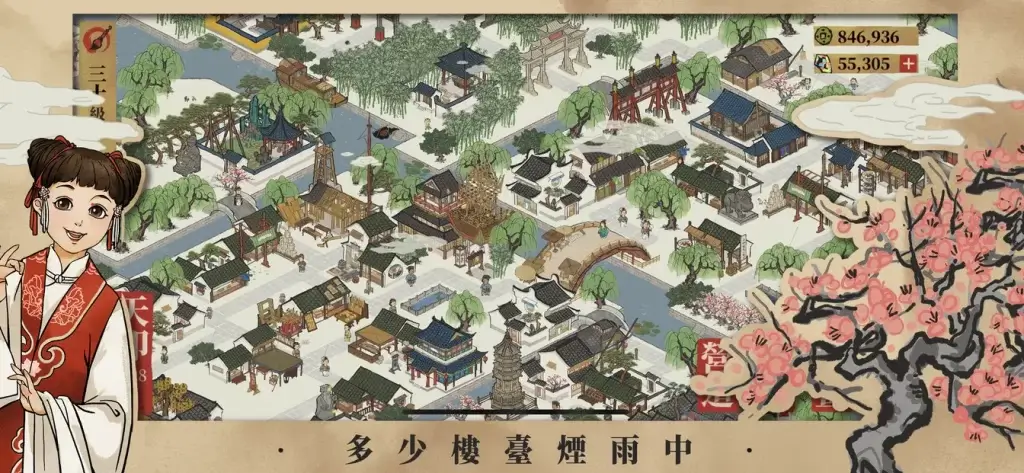
Here, impression refers to the difference between marketing ad materials and game content. In the previous article, I mentioned that the timing of the first download affects retention, but the previous one focuses on whether impressions can be preserved until entering the game
This section refers to the difference between the impression and content created by marketing ads. If the difference is too great, players may feel deceived upon entering the game, resulting in unnecessary losses (strategies vary depending on the game genre).
Nowadays, many of the "fake ads" on the market mostly appear in operational games. Why is that's Just imagine how this area will attract attention to RPG games with more operators here There will be articles introducing the phenomenon of "fake advertising" in the future
Ways to improve retention – Third-day retention/third day retention rate
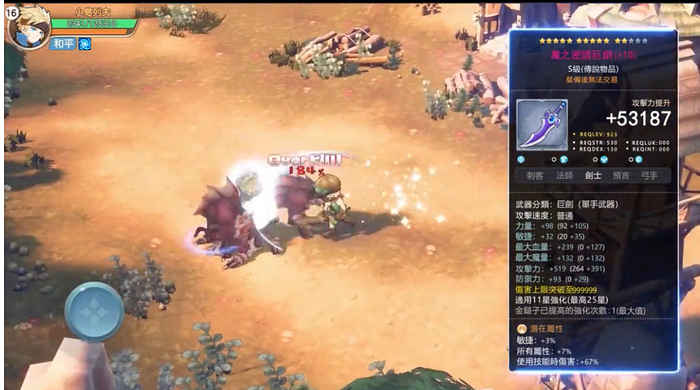
The main focus on the three retentions is the smoothness of the initial experience
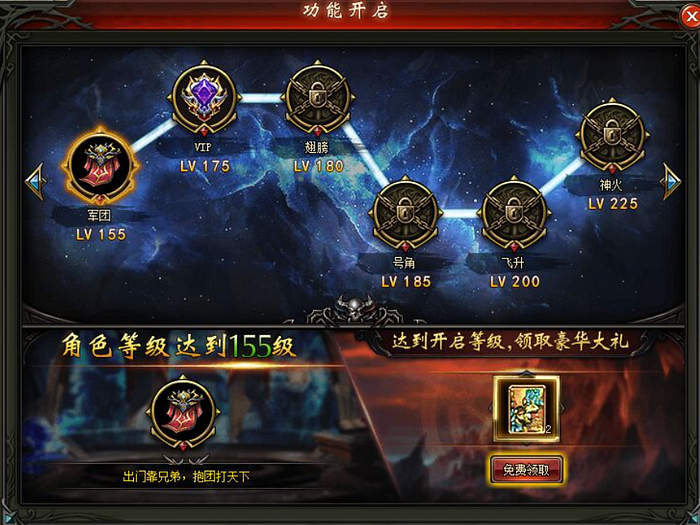
1. Seamless integration of open features
With the information explosion now, if you receive too much information at the same time, it can make people subconsciously want to escape. So at the very beginning of the game, players' ability to handle information is very important
If too many features are opened at the start, it will be overwhelming and won't retain good results, so most game features unlock as you level upDuring game testing, it's important to observe which levels or places players close the game, so you can spot whether there are too many features or too few in those areas
2. Whether the selling points are maintained
Simply put, the selling points you prepare are enough to keep players busy for more than three days. Players can easily get visually fatigued, so maintaining continuous stimulation is crucial. Each page might have various exquisite character illustrations or introductions to unlocked features
3. Point/interval design
This is different from game design; the design is designed to extend the gaming experience or content so players don't consume too quickly
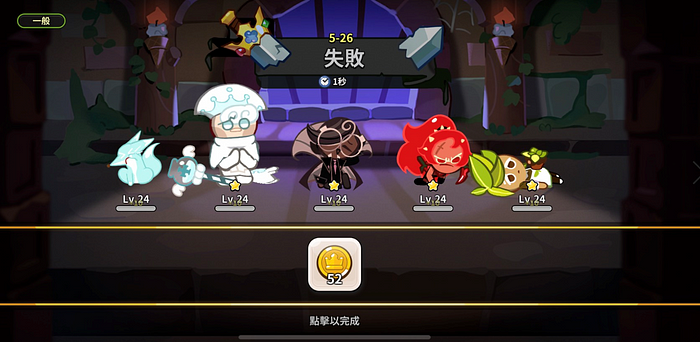
From the player's perspective, the question is whether the 'blocking point is reasonable'—whether you get stuck before experiencing the actual game content, or if the initial obstacle point is too difficult? And the operational start is"The timing of player paymentsAfter players have experienced a certain level of gameplay, a notification for top-up and payment will pop up at certain times, allowing players to make a choice
Ways to improve retention – 7-day retention/7-day retention status
The main focus of the Seven Remains is the overall game content looping mechanism
1. Game content looping
The cycle referred to here differs slightly from the short-term retention mentioned in the previous article. The previous article focused on whether the loop content was "interesting enough," while here it emphasizes whether players can "understand your fun." By the seventh day of the game, have players already understood how the core loop works?
A good game loop doesn't make you feel like a homework; when you do, it means there's room for improvement in the loop
2. Economic system
The economic system is the driving force that keeps the overall cycle moving. From a player's perspective, whether economic acquisition is too difficult or takes too much time can interrupt the desire to play
If players expect the game to be too difficult, it will reduce their motivation to keep playing. Players must be able to obtain it, but it's also difficult to obtain (equipment is hard to farm...).

30 reserve/180 reserve
Finally, long-term retention mainly focuses on social stickiness and goal setting, which I believe are the goals that need to be thoroughly optimized for long-term retention
1. Social stickiness
This specifically refers to the in-game social system. Humans are social animals and inevitably develop a desire to show off and socialize when playing
Whether the game provides players with a great "show-off environment" and a comprehensive "social system" is definitely a key goal for long-term operations. Think carefully about whether those games you've played for a long time are just fun or played with friends

2. Clear goals
Finally, as in the previous article, to achieve long-term retention, you need clear goals to pursue. But these goals shouldn't be too difficult to achieve. Of course, players can be divided into big R, small R, and free-to-play groups, each with different goals. Big R-players and free-to-play players have different goals, but the presence of all groups is very important for the game
A special note: for long-running games, most players usually don't pay much earlier, meaning revenue is less affected by new user numbers. With high CPI, it may impact team earnings. But don't think the game is bad—it's just that these spending times doDelays occurThat's all, soDon't assume that games with weak short-term retention won't have strong long-term retention
[40–20–10] Does the Golden Rule of Retention Apply to the Game?
This value is derived from Facebook's proposal for its own platform refers to daily retention, weekly retention, and monthly retention (which can be understood as secondary/seven/30 retention).
If you want to apply it to current games, you should have a slightly lower rule, maybe [35–15–5] (of course, this may be adjusted depending on the genre). For hit games, it's not just like this, but it can serve as an initial standard. Only with this standard can you know how your game performs in the market!

What to take away
The article's value is in the evidence and trade-offs behind ten Ways to Improve Player Retention, not in treating the conclusion as universal.