This analysis organizes the evidence behind breaking Through Acquisition Limits in Taiwan's Game Market, then explains the practical implications, trade-offs and current limits.
Read the evidence below as a decision trail: what changed, why it matters, which trade-offs shaped the result, and where the conclusion still depends on context.
Taiwan's gaming market, with technological advancements and changes in consumer behavior, is facing unprecedented transformation challenges. From multi-platform competition, slowing growth, to high market penetration, various factors have combined to form the so-called "acquisition bottleneck." This article will delve into the current state of Taiwan's gaming market and propose comprehensive brand marketing as a response strategy
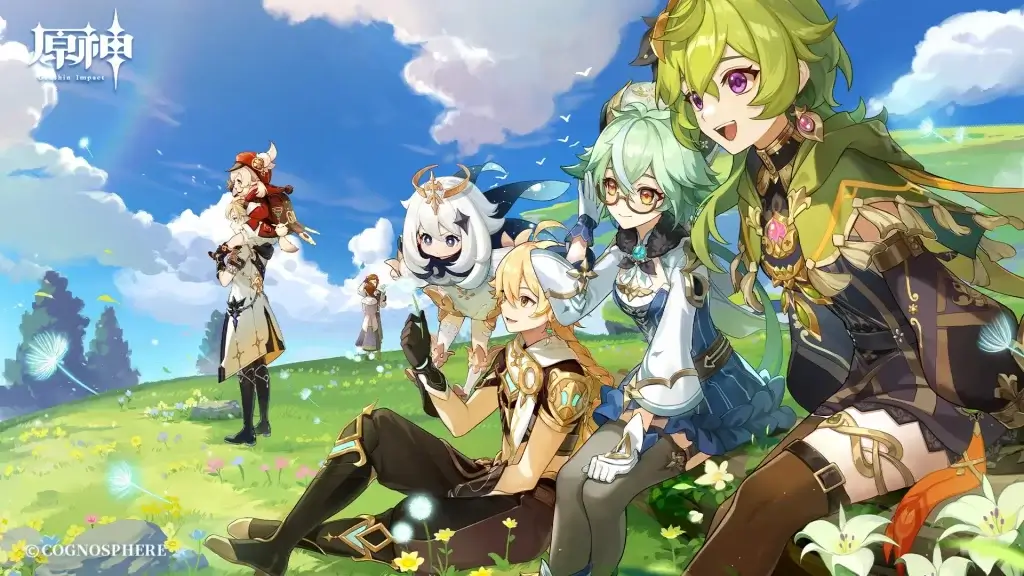
Comprehensive Brand Marketing Strategies for Taiwan's Game Market - Current Market Status
In the Asian gaming market, Taiwan has always been an important and indispensable component. With the rapid development of the global gaming industry, the Taiwanese market is also showing strong growth potential. However, it also faces challenges from multiple fronts, from fierce competition across multiple platforms, slowing growth, to high market penetration, each placing higher demands on game developers and marketers.
Taiwan's mobile gaming market may no longer be just about "playing casually" and succeeding
Multi-platform competition is fierce
Taiwanese players' gaming habits span mobile games, console games, and PC games, making market competition even more complex. Players are no longer satisfied with a single-platform gaming experience; they seek to enjoy high-quality gaming across different devices. This forces developers not only to focus on the quality and innovation of their own platforms, but also to face competitive pressure from other platforms. For example, a successful mobile game may need to compete with AAA-level titles on console platforms for players' attention and time.
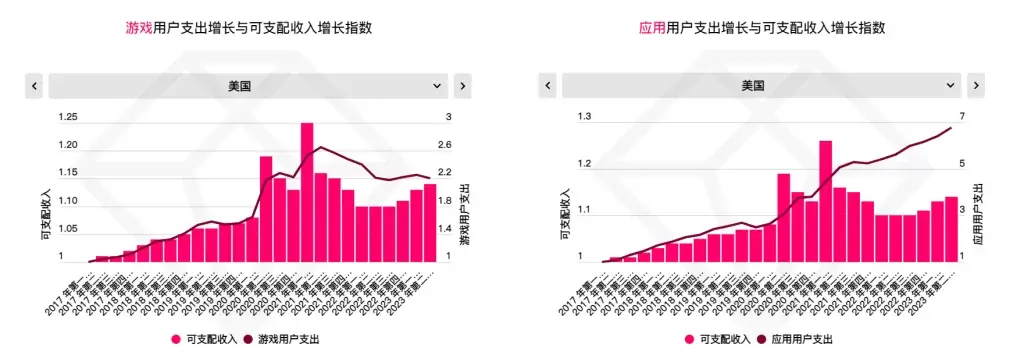
Starting in 2023, the time players spend playing PC games has gradually increased, while the time spent playing mobile games has gradually decreased
Slowing growth and high market penetration
According toMarket research,Although the growth of the gaming market continues, the pace has clearly slowed. This trend reflects that the market is gradually maturing, with new players joining at a slower pace and the existing player group's gaming consumption behavior stabilizing. Moreover, Taiwan's gaming market penetration rate is relatively high, meaning most potential gaming consumers have already been covered. New entrants seeking to break through in such markets must offer differentiated gaming experiences or innovative marketing strategies; otherwise, they are easily trapped in price wars and homogeneous competition.
Technological advancements and cultural dynamics
Another characteristic of Taiwan's gaming market is its rapid adoption of new technologies and trends. From the widespread adoption of 5G networks and the rise of cloud gaming, to the application of virtual reality and augmented reality technologies, these technological advances have brought new possibilities to game development and gaming experiences. Moreover, Taiwan's unique cultural background and geographical location have influenced its game content and style from neighboring gaming powerhouses such as Japan, South Korea, and mainland China, forming a rich and diverse gaming market ecosystem. In such an environment, game developers need precise positioning to find game designs and narratives that align with local players' preferences and cultural identity.
Through an in-depth analysis of the current state of Taiwan's gaming market, we can see that although the market faces many challenges, it also contains abundant opportunities. If game companies can fully understand and grasp these characteristics combined with comprehensive brand marketing strategies, they may stand out in this fiercely competitive market.
Specific challenges in acquisition bottlenecks
As Taiwan's gaming market continues to develop, acquisition bottlenecks have become a major challenge for game companies. This phenomenon is mainly reflected in several aspects: changes in game types and download trends, shifts in revenue trends, and the prevalence of the game-as-a-service model. These challenges largely reflect the competitive landscape and evolving user behavior in Taiwan's gaming market
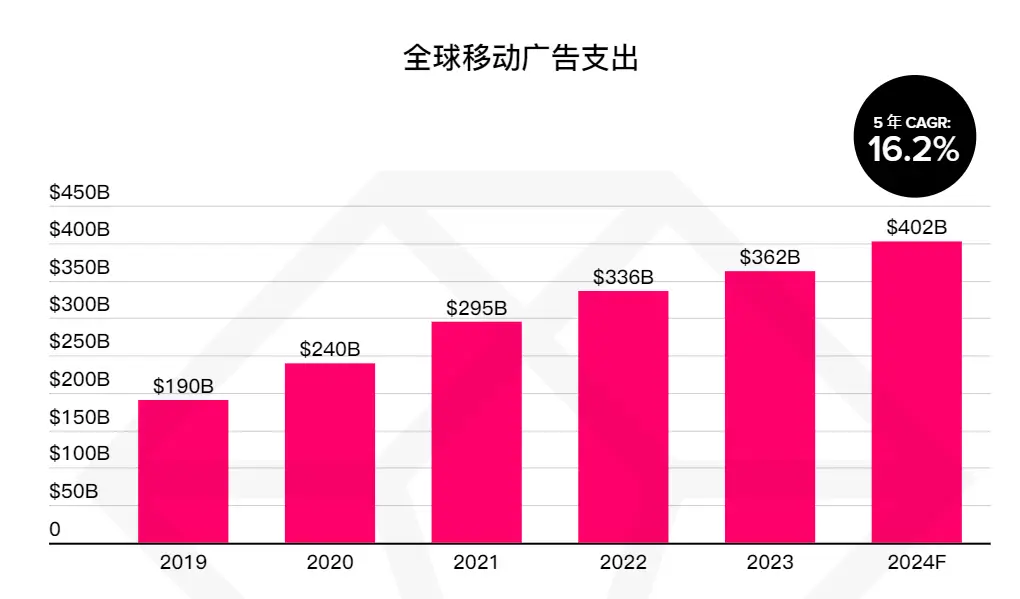
As market competition intensifies, the cost of user acquisition keeps rising. Relying solely on user acquisition is no longer enough to support a game. Therefore, companies are doing everything possible to reduce user acquisition costs through image theft, copyright violations, and trending topics. However, this creates a vicious cycle where users see only fake ads. When users become fatigued, it only makes acquisition harder and harder to recover
Game genres and download trends
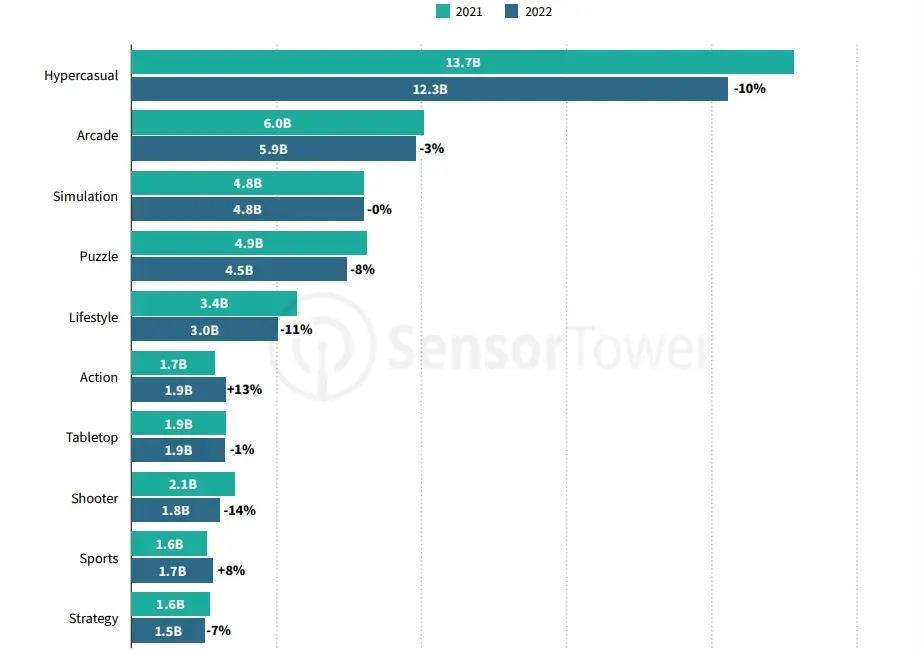
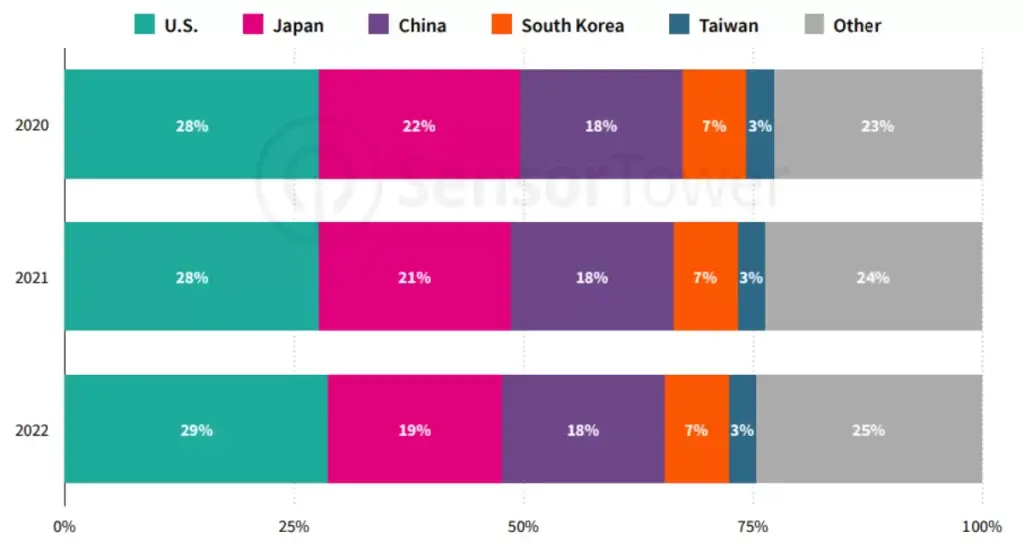
Data from 2022 reveals that, except for action and sports games, most major game genres showed a downward trend in downloads, with action and sports games recording annual growth of 13% and 8% respectively, indicating a shift in player preferences. Especially hyper-casual games, although downloads dropped by 10%, still led with 12.3 billion installs, followed by arcade games, simulation games, puzzle games, and lifestyle games. This phenomenon directly impacts user acquisition strategies for game companies, especially for hyper-casual game developers who rely on video ads for profit. How to maintain or increase revenue while downloads decrease has become a major challenge
Revenue trends
From a revenue perspective, only action and tabletop games showed growth in 2022, increasing by 9% and 4% respectively. This growth was mainly driven by popular titles like Genshin Impact and the addition of new successful games such as Dada Command. However, the decline in shooter game revenue shows that the market's acceptance of different game types is changing. For game companies, identifying and adapting to these changes and finding new growth points is key to breaking through the acquisition bottleneck.
The core elements and importance of comprehensive brand marketing
Can you really support a game just by buying traffic?
Before explaining what "comprehensive brand marketing" means, from the previous content we can understand the reasons for market maturity, high user acquisition costs, and user fatigue. Looking at the current Taiwanese market, whether or not you are a game professional, you can easily find that "game promotion is always the same formula." The homogeneity of the game market also reduces users' willingness to download. So how can we break through this dilemma? The answer might be [comprehensive brand marketing].
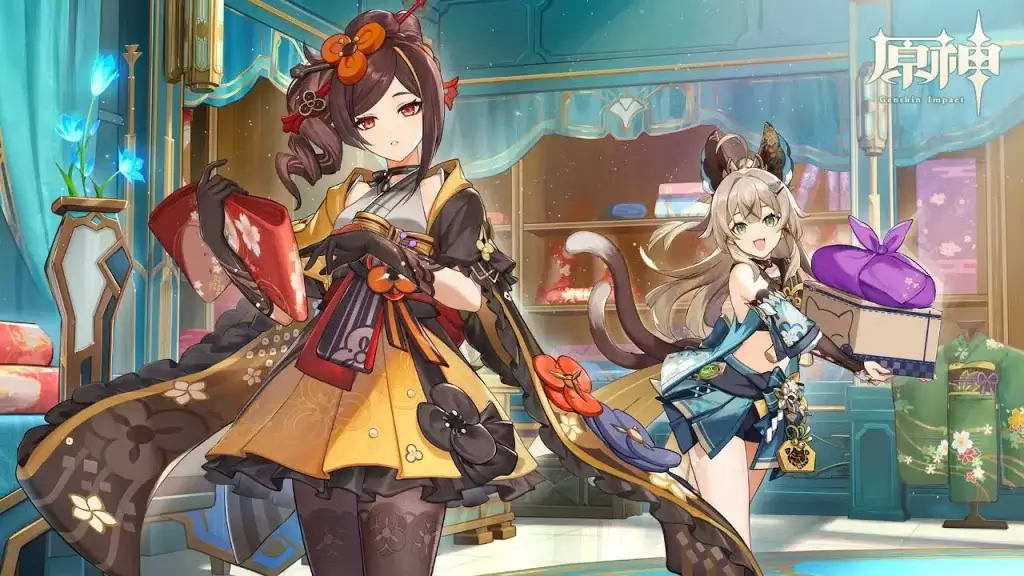
Short-term marketing methods can no longer meet the long-term development needs of game companies.Successful game marketing focuses on long-term benefits, which requires game companies to place greater emphasis on brand building and deep management within the game itself。 Long-term brand management not only goes further but also makes it easier to form successful cases in the market. Genshin Impact's success is a prime example. Through its deep world-building, rich character stories, and continuously updated game content, it has established a strong gaming brand and earned widespread recognition from players worldwide.
In a comprehensive brand marketing strategy, acquiring organic traffic and attracting user attention are key to achieving brand success. Especially in the highly competitive gaming market, creating a sustainable user growth model has become particularly important.
Integrating Marketing Channels and the 'Co-Creation Mechanism'
In traditional comprehensive brand marketing strategies, integrating marketing channels is certainly important, but in the current market environment, combining a "co-creation" mechanism is more effective in attracting user attention and generating organic traffic. By collaborating with content creators, KOLs, and player communities, the company can jointly create and share game-related content, not only increasing the game's visibility but also bringing value to creators and players, forming a mutually beneficial ecosystem. This strategy should not be limited to social media platforms but should also extend to forums, live streaming platforms, and even traditional media, achieving comprehensive coverage of brand information.
In the current development trends of the gaming market, comprehensive brand marketing strategies require deep integration of innovative content strategies and user engagement, while also focusing on the long-term value and deep management of brand marketing. With restrictions on buying and changes in the market,
Game marketing has entered a new phase, focusing on building and expanding brand influence!
Flipping through the market editor-in-chief
Integrating innovative content strategies with user engagement, as well as the importance of long-term brand management
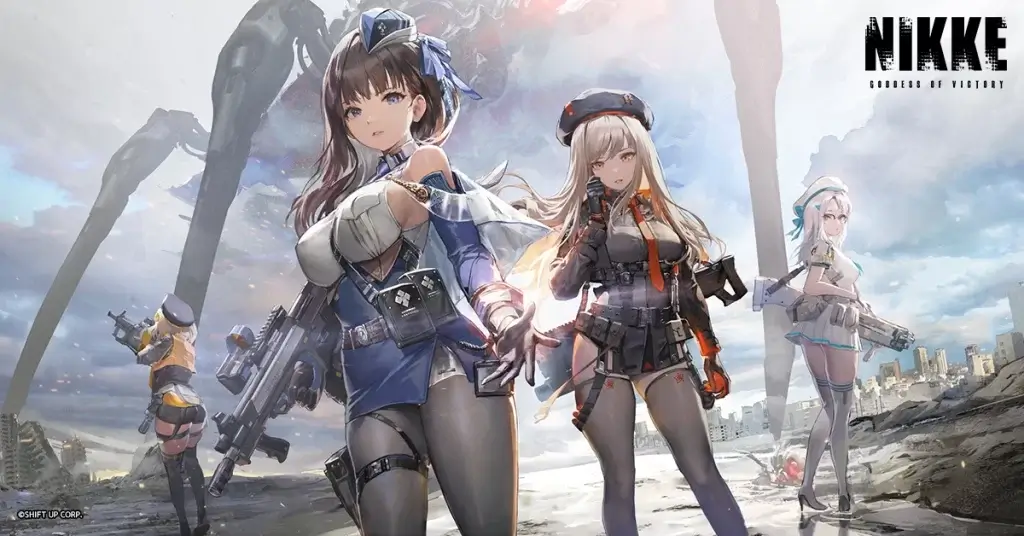
In comprehensive brand marketing strategies, combining innovative content strategies with user engagement mechanisms can not only stimulate players' creativity and enthusiasm for participation, but also naturally attract more potential players through user-generated content, effectively spreading brand influence. This strategy requires close collaboration with creators, KOLs, and the player community to jointly create and share game-related content, forming a mutually beneficial ecosystem.
A new stage in brand marketing
As game marketing evolves, mobile game marketing will move to the next stage, shifting from simple promotion to comprehensive brand building. This means game companies need to invest more resources to deepen their brand stories, enhance brand image, and actively participate in global cultural exchanges to showcase their innovation and cultural appeal in the gaming industry. At the same time, through effective social media operations and fan events, it cultivates a loyal fan community worldwide, thereby expanding the brand's influence and moat.
Although the above might sound obvious, think about whether your game company actually does it. And this is exactly what Genshin Impact has always been doing
Currently, all major companies like NetEase, Tencent, and miHoYo are using these strategies to expand their brand moats. In this market competition dominated by a long-term perspective, only games that emphasize brand building and deep management can stand out and achieve sustainable growth.
By implementing comprehensive brand marketing strategies, game companies can not only effectively break through acquisition bottlenecks but also consolidate and expand their brand influence in a highly competitive market. In the long run, this focus on deep brand management not only enhances the game's own value but also creates a richer and more lasting gaming experience for the player community.
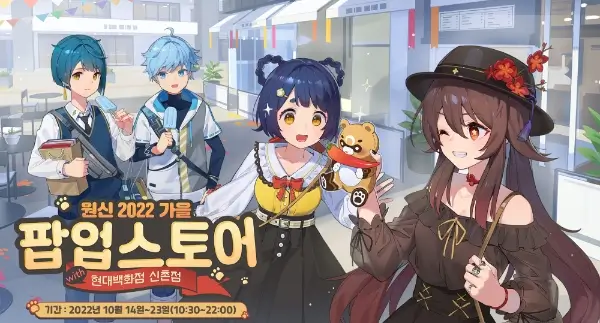
In this process, it's important for game companies to recognize that successful brand marketing is no longer just about brief exposure or a temporary increase in traffic—it's a necessityThrough continuous effort, we establish a positive, positive, and lasting brand image in the minds of players。 This requires game companies to plan their strategies more long-term, focusing on brand value and user experience in every aspect—from game design, content updates, user interaction, to community management—for deep thinking and innovative practice.
Furthermore, game companies shouldMake good use of the "co-creation" mechanism to motivate and guide players, creators, and even KOLs to participate in the creation and dissemination of game contentThis not only brings more natural traffic and attention to the game, but also allows the game's brand story and cultural appeal to spread more widely through these diverse voices, thereby continuously enhancing brand value and expanding cultural influence.
Ultimately, by implementing these strategies, game companies can strike a balance between short-term and long-term sectors, meeting immediate market demands while maintaining competitiveness in long-term competition, achieving sustainable brand and business development. Successful cases like Genshin Impact fully demonstrate the importance and effectiveness of deep brand management strategies, providing valuable references and inspiration for the entire gaming industry.
In summary, as the gaming market continues to evolve and player demands become more diverse,Comprehensive brand marketing will become one of the key strategies for game companies to win market competition. Only game companies that truly understand and grasp the essence of brand marketing, integrating it into every aspect of their operations and product development, can gain a firm foothold and go further in future market competition.
Genshin ImpactCase Study
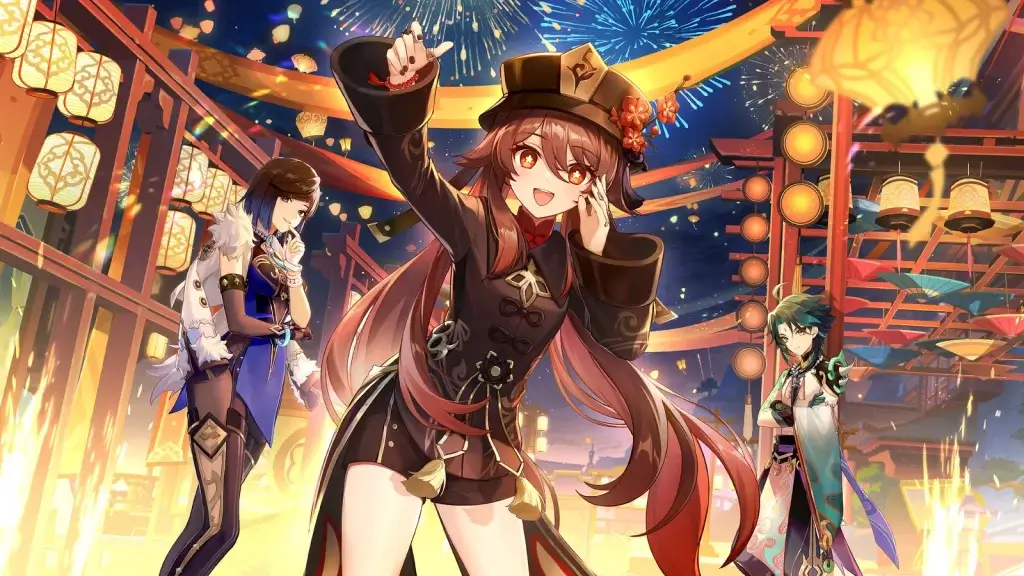
When exploring how Genshin Impact has become a successful model for cultural export and showcasing soft power, we can delve into how miHoYo showcases the innovation and cultural appeal of China's gaming industry through its flagship product, Genshin Impact, thereby establishing its global brand image.
Blending global culture with innovative elements
What makes Genshin Impact unique is its fusion of Chinese cultural elements with globally popular game design concepts, creating a game world that is both distinctly Chinese and appeals to players worldwide. This cultural fusion not only enhances the uniqueness of the game but also makes it an important vehicle for exporting Chinese cultural soft power. The characters, story backgrounds, and art design in the game cleverly incorporate traditional Chinese elements while blending Western fantasy styles, showcasing a cross-cultural innovation and inclusiveness.
Creating cross-media storytelling
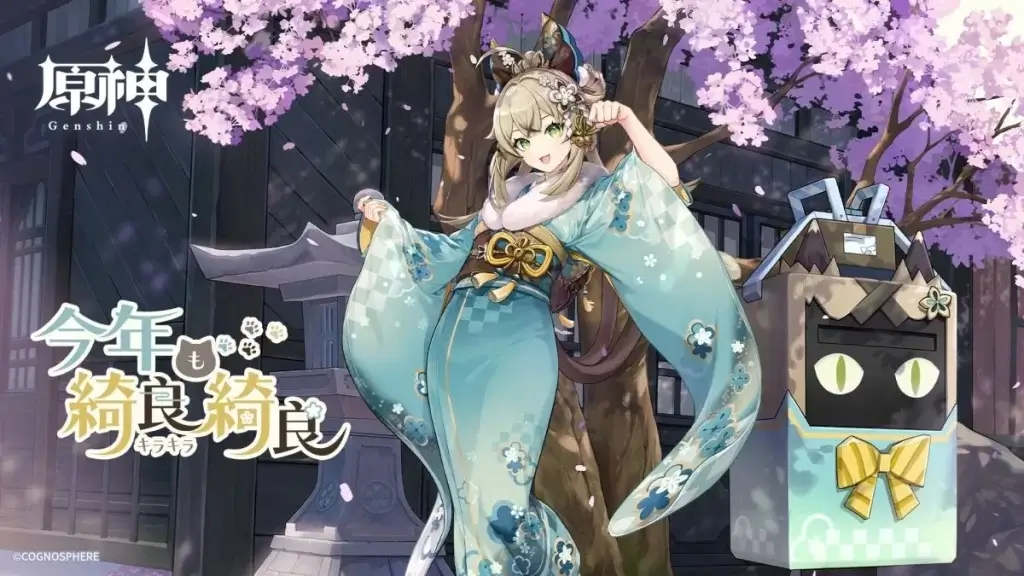
miHoYoNot only did it build a deep backstory and character development within the game, but it also expanded the Genshin Impact story universe through anime, comics, music videos, and other media, enhancing the brand's depth and influence. This cross-media storytelling approach offers players a richer content experience while expanding its cultural influence, making Genshin Impact a multidimensional cultural phenomenon rather than just a game.
Showcasing the combination of technology and creativity
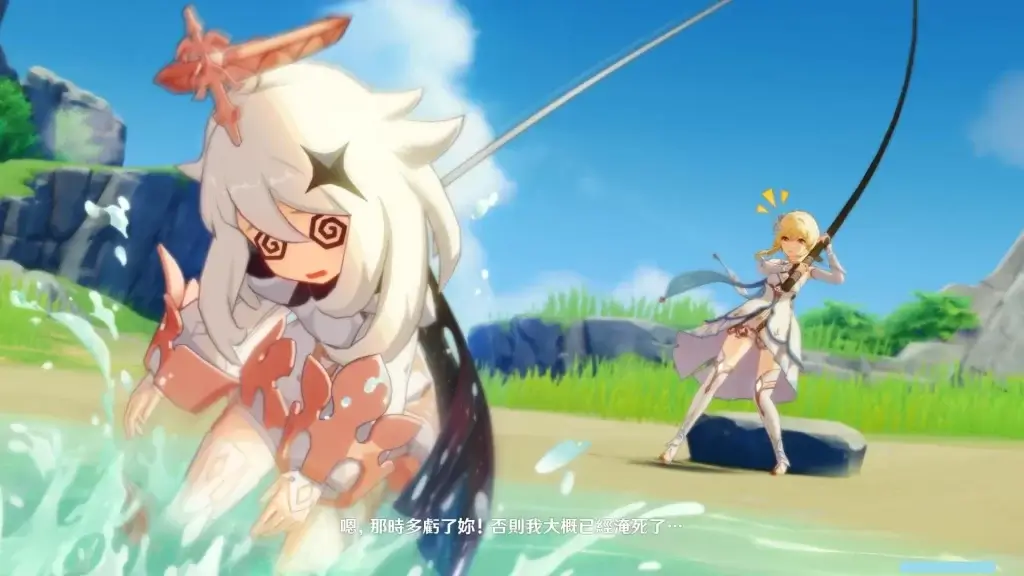
The success of Genshin Impact also reflects miHoYo's high level of game development technology and creative design. From visual art to music production, every detail showcases high-quality creativity and a pursuit of art. This not only attracts players but also establishes a positive international image for China's gaming industry, showcasing the technical strength and innovative spirit of Chinese game developers.
Actively participate in global cultural exchanges
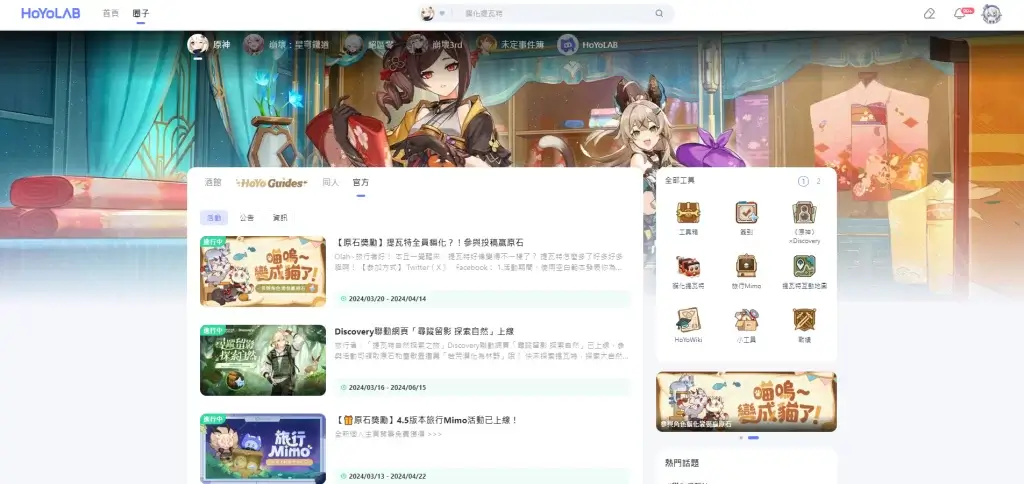
miHoYo actively promotes cultural exchange by participating in international game shows, interacting with players worldwide, and collaborating with cultural and entertainment brands from other countries. This openness and cooperative attitude not only helps promote Genshin Impact globally, but also powerfully spreads Chinese culture and enhances the international community's recognition and appreciation of China's modern cultural and creative industries.
Cultivate an international fan community
Through efficient social media operations and fan activities, miHoYo has cultivated a loyal Genshin Impact fan community worldwide. This international fan base is not only key to the game's continued success but also an important support for the global spread of Chinese cultural soft power.
Through these strategies, miHoYo has not only successfully transformed Genshin Impact into a globally popular game but also showcased the innovation and cultural charm of China's gaming industry. This is of great significance for enhancing the international influence of Chinese culture and strengthening the global competitiveness of China's creative industries.
Conclusion and Future Outlook
Facing the bottleneck in user acquisition and the challenge of market homogenization in Taiwan's gaming market, a comprehensive brand marketing strategy offers an effective solution. By integrating marketing channels, innovating content strategies, and enhancing user engagement, gaming companies can succeed in a highly competitive market.
In the future, as technology advances and player demands continue to evolve, Taiwan's gaming market will continue to face new challenges and opportunities. Game companies need to maintain agile and innovative thinking, continuously adapt to market changes, and achieve sustainable growth and success through comprehensive brand marketing strategies. In this process, gaining a deep understanding of player preferences and needs, and adopting player-centric marketing strategies, will be key to winning the market.
You might like these articles
● Game Marketing Strategy Guide: How to Increase Player Engagement and Brand Awareness through Social MediaDegree
● Blockchain Games: Why Does NFT Issuance Affect Retention?
● How else can blockchain games like GameFi be played: How to grasp future trends?
● Upgraded Game Economic Model: Analysis of the Dual-Token Model in Blockchain Games
What to take away
The article's value is in the evidence and trade-offs behind breaking Through Acquisition Limits in Taiwan's Game Market, not in treating the conclusion as universal.