This analysis organizes the evidence behind a Practical Social Media Strategy for Game Marketing, then explains the practical implications, trade-offs and current limits.
Read the evidence below as a decision trail: what changed, why it matters, which trade-offs shaped the result, and where the conclusion still depends on context.
Games are experiencing unprecedented growth, and standing out in this fiercely competitive market requires carefully planned game marketing strategies. Game marketing is not just about bringing products to market; it also requires building deep connections with players through social media.
Social media, as an indispensable part of today's game marketing, not only helps game publishers and developers increase brand awareness but also promotes interaction and participation among players, thereby boosting player loyalty and interest in the game. In this article, we will explore strategies for using social media for game marketing and offer practical advice to help your game stand out in the fierce market competition!
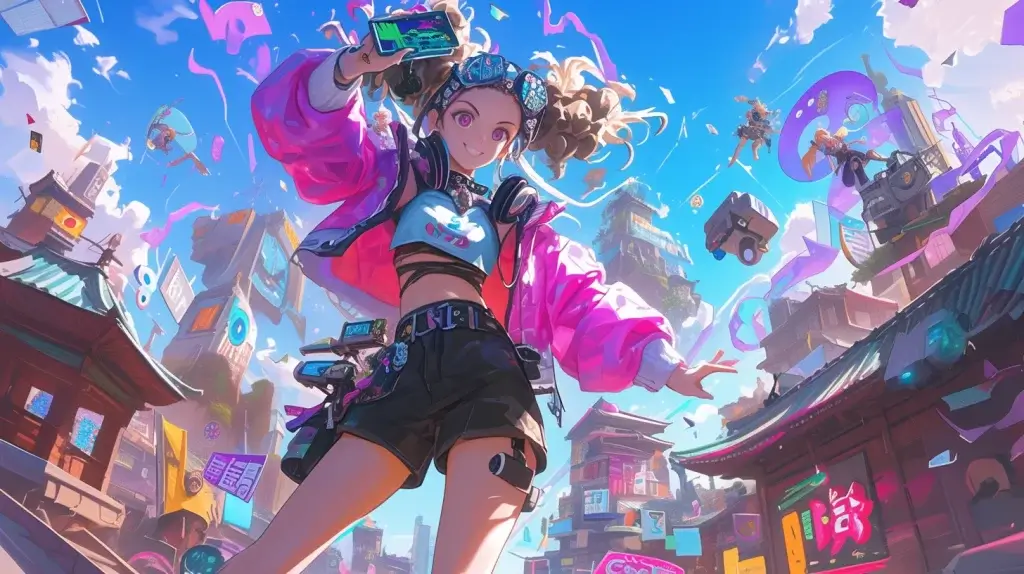
The foundation of game marketing strategy
This article will focus on discussions on social media management, with more details on game marketing covered in other articles
Target market research
When you get this game, you should first consider who your target audience is. You should target anime, female, or male audiences. Each audience has familiar social media that reveals the characteristics, preferences, and gaming habits of the target players, so developing effective promotional strategies is crucial.
Content creation and community management: deepen player engagement and loyalty
In game marketing strategies, content creation and community management are not only tools for building long-term player interactions, but also key to shaping brand voice, stimulating player engagement, and maintaining community. This requires going beyond traditional advertising tactics, delving into the unique needs and preferences of player communities and creating content that resonates.
The purpose of a game community is to build emotional connections with players. This emotional connection will help you with every future update. If a game has a strong community, it is also more likely to represent a long-term legacy. So don't overlook the power and importance that community brings. However, if you try to get the boss or supervisor to accept this, it depends on how well you understand the community
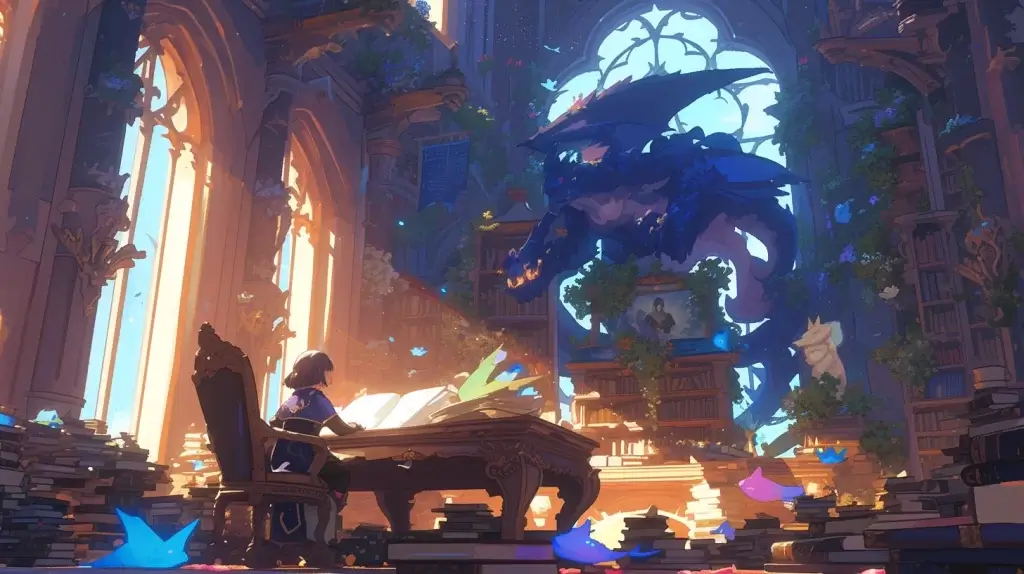
First: Deeply tell stories
Using social media platforms, it delves deeply into the stories behind the game, including character design, world-building, interesting stories from the development process, and future development plans. This storytelling not only enhances the appeal of the content but also allows players to feel that they are part of the game's growth journey
Although these may sound simple, they are the most important step when launching pre-registrations for any game. No matter how urgent the project or how urgent the schedule is, these "groundwork" steps are necessary. Here, I am referring only to managing social media; these simple preparations will become the main focus of all subsequent social activities
Nowadays, many games in the market hold "giveaway events," but the methods and content of the giveaways are always the same. The focus of social raffle events isn't whether the prize content is attractive, but rather your eventHow much "meaningful community content" can be created, and how to reinject that content back into the community, is a question that requires further consideration, that's when the 'story' comes into play—all community activities revolve around the game's worldview and story,Creating activities that attract core players to discuss and deepen their understanding or love for the game is the key to judging the success or failure of community events
Second: Interactive content
Creating highly interactive content, such as in-game challenges, voting to determine the next direction of the game, and collecting player ideas, can greatly enhance player engagement. This strategy not only makes players feel their voices are heard, but also provides new inspiration and direction for the ongoing development of the game.
The two key points mentioned above are: first, "maintain freshness," and second, "let players know we hear their voices." Managing a community is a two-way communication; you don't just hope that players will see and spread your game announcements. Every voice from a community participant needs feedback and attention. Here, it's not just about constantly replying to player messages (which will exhaust you). Instead, you need to respond to these reactions through community activities, management announcements, and daily interactions. It makes players feel noticed
The most basic aspect of interactive content is organizing fun activities, and the more interactive aspect is 'giving feedback and expressing behavior.'
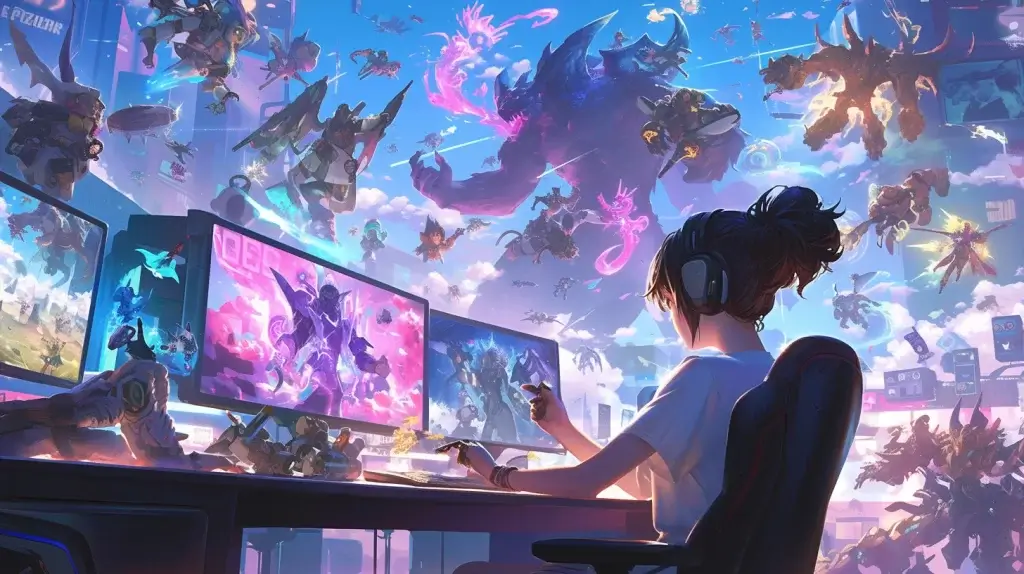
Third: Real-time response to game community interactions
In community management, real-time responses to player comments and questions are crucial. This demonstrates the brand's attention and respect for community members, enabling it to build deeper trust and loyalty. Actively managing negative feedback and solving problems through transparent and open communication is also an important part of maintaining community health.
Here, real-time isn't about solving problems with a single reply, but about 'giving positive feedback at the right time' and 'truly listening during negative moments.' This is something many people in game community/marketing often overlook and fail to do. Although companies may split product operations and marketing into two departments, if you think from the player's perspective, players will only recognize this as the company's work, not as marketing, development, or operations
So if you're determined to be a good game marketing planner, when you notice negative feedback from players, you should immediately identify the reasons for the feedback—whether it's a game issue, community quarrels, or dissatisfaction with rewards.What needs to be done is not simply to satisfy players, but to think about how to eliminate or prevent negative feedback from spreading through game operations or community activities, By promptly detecting negative things and giving positive feedback, you can gradually increase player engagement and maintain your company's brand at the same time
Whether you can nip negative feedback in the bud reveals whether you have the sensitivity of a community
Fourth: KOC influencer collaboration – deepening influence
When selecting KOC influencers to collaborate with, look for individuals who align with the game's culture and values. Engaging in deep collaborations, such as KOC influencers participating in certain aspects of game development or creating dedicated game content, can attract more player interest and engagement than simple product promotion
This is an important factor in boosting player engagement and brand image, but it's also a double-edged sword. Collaborating with KOCs means discovering players who frequently speak up in the community or enjoy creating. These players are more willing to participate and are willing to work hard and speak up for a better community or game
Before seeking KOC collaborations, besides whether they fit the game culture, a long-term observation is required, lasting at least 1~2 months. During this observation, besides confirming whether the player truly loves the game, they also confirm whether they engage in behavior that contradicts the game's or company values, and most importantly, whether they have some influence among other players
Once it's confirmed they meet all the criteria, you can start collaborating with KOC influencers to help manage the community, produce specific content, and so on. But you must be clear that the player is still a player and there is no real binding force to restrict their actions. Therefore, any response to players must be fully aware of the risks behind it
There was once a K game that, in the early stages of its launch, quickly identified their KOC influencer and gave them authority to manage community content releases. However, something happened when the responsible KOC influencer was dissatisfied with the official team and released all previous conversations, even unavailable collaboration data, causing widespread dissatisfaction in the community
This is what I called KOC, which is a double-edged sword. If you can control your community well, you'll see significant improvements, but if something goes wrong, it can escalate into a brand PR crisis
The gaming community anticipates the future
Social media plays a crucial role in game marketing. Players come from buying traffic across various social media platforms or search engines, or from organic traffic spread through social media. Regardless of the platform, user engagement is a key indicator for evaluating organic reach
Increasing player engagement also has a positive impact on the overall game brand. However, social platforms are changing rapidly, and young users and middle-aged users have different usage habits. In the future, more social platforms and applications will emerge. Whether you can find the social media that best suits your game and develop appropriate management strategies will be a challenge
Challenges faced
- Budget scaleFor many startups or small game development companies, budget can be a limiting factor. Effectively utilizing limited resources and focusing on the most influential social media campaigns is key. Games themselves are a vehicle for traffic, so how to channel this traffic into community users through activities is crucial
- The content is saturated: The saturation of social media content makes it hard to stand out. Creating unique and valuable content, along with leveraging the power of player communities, can help your brand voice be heard. The more core players you get, the more successful your community building becomes
- Rapidly changing trends: Social media trends change rapidly, so game companies need to stay flexible and quickly adapt to new platforms and content formats, giving every player what they want. Content on Facebook and Instagram is completely different.
Foresee the future
- Augmented Reality (AR) and Virtual Reality (VR): With technological advancements, AR and VR will be increasingly applied in game marketing, offering immersive experiences to attract players
- Artificial Intelligence (AI): AI technology can help game companies analyze social media data, better understand player behavior, personalize marketing content, and improve efficiency and effectiveness
- Community-driven marketing: In the future, player communities will play a greater role in game development and marketing. Player-generated content, word-of-mouth dissemination, and community activities will become important marketing tools, such as Roblox This trend can be seen
The success of a game marketing strategy lies in continuous adaptation and innovation. Facing challenges, game companies need to be flexible and explore new social media channels and marketing methods. At the same time, actively embracing technological advancements and the power of community will make game marketing strategies more effective and lay a solid foundation for game success.
What to take away
A game's marketing strategy is key to success, and social media provides a unique platform for developers to build deep connections with players. Through carefully planned social media marketing campaigns, gaming companies can not only boost player engagement and loyalty but also significantly boost brand awareness.
Facing challenges in the marketing process, game developers need to continuously innovate and adapt, leveraging the latest technologies and social media trends to optimize their marketing strategies. As the gaming industry continues to advance and develop, those games that can effectively leverage the power of social media will stand out in fierce market competition.
Thank you for watching. If you have any questions, feel free to message me on Instagram!
You might like these articles
● Blockchain Games: Why Does NFT Issuance Affect Retention?
● How else can blockchain games like GameFi be played: How to grasp future trends?
● Upgraded Game Economic Model: Analysis of the Dual-Token Model in Blockchain Games