This analysis organizes sixteen Metrics for Diagnosing Player Retention into a practical comparison of evidence, decisions and current limits.
Read the evidence below as a decision trail: what changed, why it matters, which trade-offs shaped the result, and where the conclusion still depends on context.
How can retention be improved? Is it really the only option to throw money at and tell you what maximizes retention?16 key indicators!For easier understanding, it will be divided into three parts: upper, middle, and lower
- (Part 1) Starting from scratch, I'll guide you through retention rate, the three variables that affect retention, and the five common retention types
- (Middle) 16 key metrics to maximize retention
- (Part 2) 10 Optimization Goals for Retention from the Gamer's Perspective
- First, you need to understand why retention rates are declining.
- Maximizing short-term retention: 9 key metrics to grasp (initial download time, D2 return mechanism, player sentiment, quest or gameplay guidance...) )
- Maximizing Long-Term Retention: 7 Key Metrics to Focus On (Game Loop Settings, Strategic Depth, Visible Exploration Content, Degree of UGC...) )

Before discussing retention maximization, why does retention rate actually decline?
If you don't know why it's declining, how do you maximize retention? Wouldn't you agree?!
1. Starting from game design
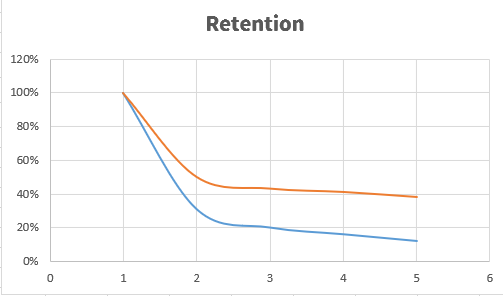
Even the most profitable games have declining retention rates over time
The freshest moment is when a game is first released. Players who join during the sweet launch period can enjoy it. But as time goes on, the novelty wears away, and those who haven't found the "fun" leave—it's just boredom!
Boredom is the lack of what you truly want
This also reflects players' desire for innovation and change, which requires perfecting 16 key metrics during game design! For example: economic system circulation, UGC, social adhesion, etc...
2. Maximizing retention starts during the operating period
Nowadays, games have pre-registration and pre-order events, and most focus their efforts on early retention or seven-stay games. But besides ultra-casual and casual games, retention rates after seven-stay are also very important (of course, it depends on your actual budget and decision-making environment).
Besides players who joined at the launch, different strategies and activities should be designed for those joining in the mid to late game to increase incentives for retention, encouraging new users to stay and become veterans
Retention maximizes short-term retention9Key indicators
The short term refers to the key metrics players need to pay attention to from the moment they first open the game to when they close it
1. First download time
Players usually see some "advertisement" or message and then download the game to play. Between opening the game and "downloading all necessary resources," players' impression of the game gradually fades
After more than one minute, the positive ratings players received from ads for the game disappear, signaling impatience and a "rerating" of the game upon entry. Therefore, the first download should be as fast as possible
2. Localization/Localization
Simply put, the translation must be good. It's like when a Taiwanese player downloads a game heavily advertised in Taiwan and finds it is all in Simplified Chinese... This will definitely cause a large number of losses
Mindset: Why make money from reskinned mobile games~ But the reality is that most of the money is made by the market
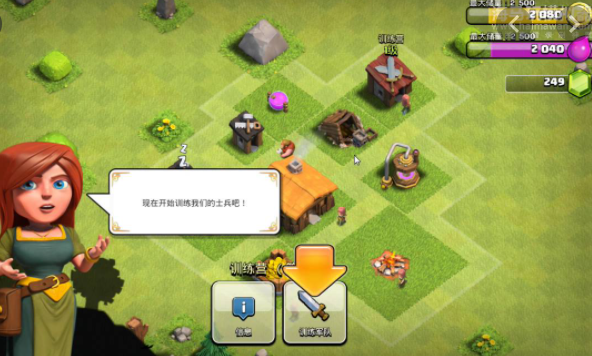
3. Tutorial for beginners
This is a game that all games need to pay close attention to. Have you ever played a game where there was no tutorial right after you started?
The key to beginner tutorial design is simplicity, but at the same time, it should showcase the fun of the game without interrupting the experience. If players learn it without even realizing it, that's a success! Therefore, during the design process, it is necessary to find more different people to test and gradually optimize and correct the data
For other articles on beginner tutorials, you can refer to Senior Water Wolf's post:How do you entertain your game's "newcomers"?
4. Quest or gameplay guides
The mission system motivates players to start taking action and also gives them a goal. What the mission system must do is guide players to experience interesting gameplay or activities. If you don't know what to do halfway through, wouldn't you feel lost?
5. Core game loop
It's about whether the gameplay (e.g., fighting bosses> using enhancement items> upgrading gear> boosting combat power> playing PvP) is interesting enough, easy to understand, or reflects values. It is the most important part of all the games
6. Player emotions
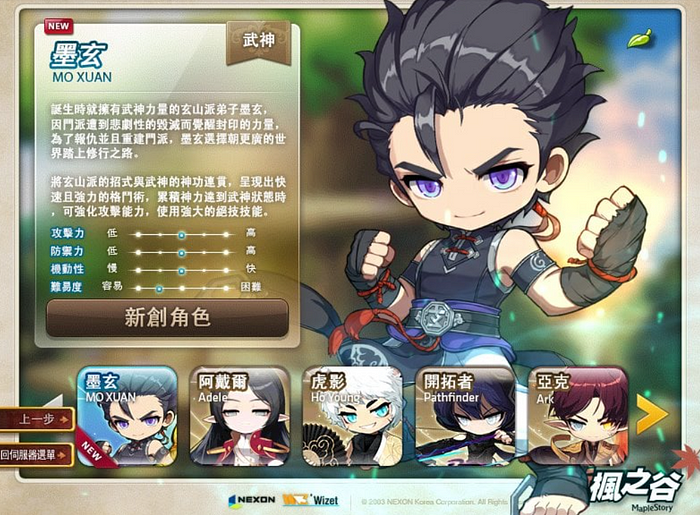
When players enter the game, what they hear, see, and feel will decide whether to stay and continue. Whether it's the beautiful character art, the atmosphere setting, or the conveying of values—which makes your game more engaging—all decided through market research before project initiation or continuous testing during development

7. First game time lock setting
Getting players hooked is definitely not just about beautiful character illustrations. After players keep playing for 3~10 minutes (varying by game type), they can choose whether to pay or continue playing without interrupting the experience, or even for better gameplay
8. D2 return mechanism
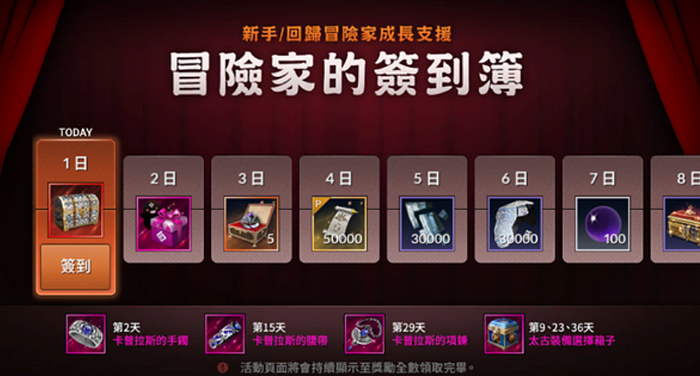
After leaving the game on the first day, is there any motivation for players to open the game the next day? It could be due to waiting rewards or events, and try to create a mechanism that "promises" players to enter the game the next day
9. Close the sense of completion before the game
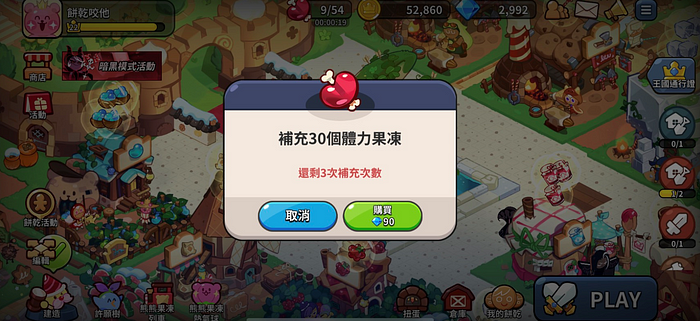
That is, every time players close the game, they feel like they're "all done"—like in SLGs, buildings are finished, while in mobile games, you might have used up all your stamina, so players feel like they're playing even without launching the game (building takes time, stamina recovery takes time).
Retention maximizes short-term retention 7 Key indicators
1. Game loop settings
The previous cycle was about "whether it's interesting," and here it refers toCan it "stay" interesting?
The core loop is a process players must repeat continuously. Repeating once might be fun, but can repeating it 50 or 100 times guarantee it's fun? This is the most important thing to maintain long-term retention! Early on, players can experience it slowly; is there a way to speed up later on? All of these were taken into account!
2. Strategic depth
Strategy complements game cycles. No matter how fun the cycle is, if there aren't many strategies, you'll eventually get bored. Strategic depth is like the breadth of the game's left-right extensions. Strategies that are complex and moderately difficult greatly help maximize long-term retention!
3. Visible exploration content
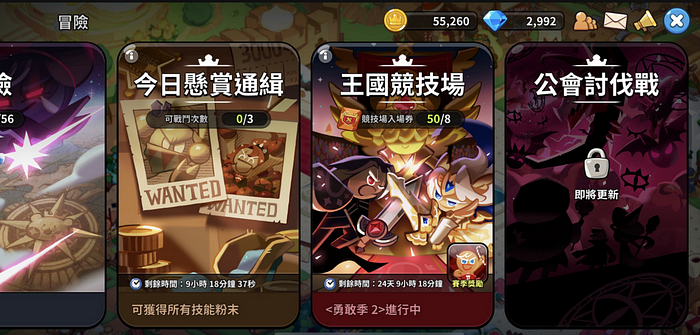
In other words, this means content that players can see but can't play at first, which may be released as levels open or on future dates, which motivates players to keep playing
4. Degree of UGC
In other words, the amount of content players freely create — whether in-game players can freely build or allow players to create and "parody" content in peripheral communities. After all, where there's discussion, there is conversation, allowing players to gain a certain degree of control over the game!
5. Social Stickiness
Social engagement is a crucial part of long-term retention, referring to the level of social interaction or teamwork with friends within the game. Sufficient interaction among friends makes it easier to create high long-term retention. When designing games, it's essential to consider creating a friendly social environment

6. Competition and ranking
Comparison mindset, sense of achievement, and honor are indispensable in the game, and they are the driving force behind players of Big R. So competition should not only reward winners but also provide comfort to losers, because competition only happens when both sides exist
If in-game competition can be combined with real-life experiences, long-term retention can be greatly improved
7. Clear long-term goals
Finally, you need to give players a clear long-term goal, so they feel the game is worth playing. Only with clear goals can long-term retention improve.Imagine playing a game but not knowing what you're playing—would you play for a long time?
— — — — — — — — — — — — — — — — — — — — — — — — — —
Summary: Up to this point, we've discussed 16 key goals to keep in mind when designing games to maximize retention.If you can't remember or worry about forgetting, you can save it for reference
Next, in the next article, we'll discuss 10 retention optimization goals from a gamer's perspective—not just the numbers, but understanding the meaning behind them!

What to take away
The article's value is in the evidence and trade-offs behind sixteen Metrics for Diagnosing Player Retention, not in treating the conclusion as universal.