This article synthesizes public Anthropic and Claude engineering material with Gwarket's analysis of verifiable AI workflows. It is not Anthropic documentation or a product commitment.
Human-in-the-loop does not mean a person should click approval on every action. If every minor step needs confirmation, the workflow has only turned work into a larger collection of buttons.
The decision is not whether people remain in the loop. It is where their attention and responsibility are most valuable.
Start with reversibility
Low-risk and reversible work is usually a good candidate for an agent: organizing material, comparing options, drafting a document, or running a repeatable check. Hard-to-reverse actions should have a stronger boundary: public communication, deletion, payments, changes to access, modification of official records, and external publication.
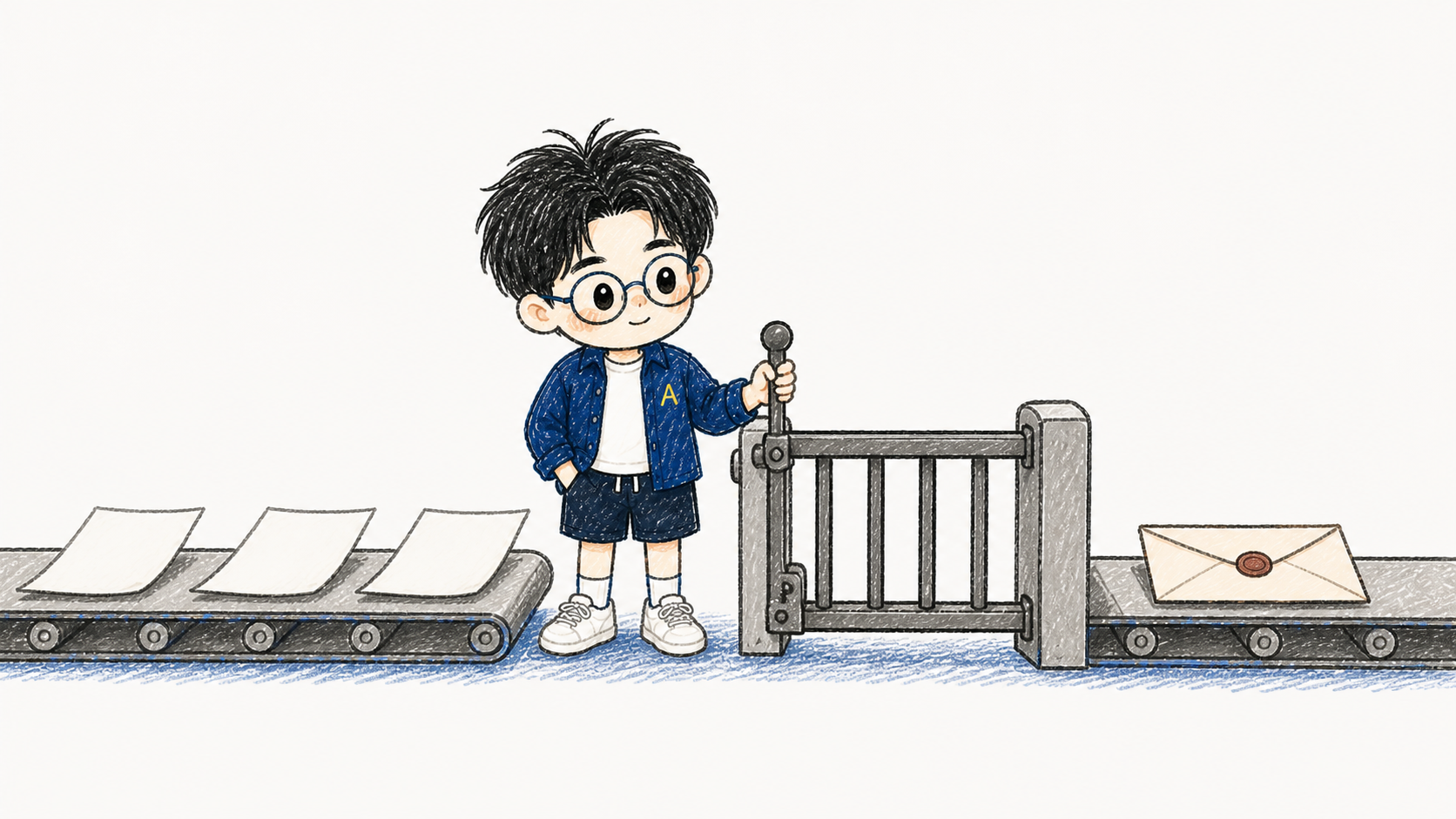
This is not a claim that AI is inherently untrustworthy. It is a recognition that a system does not know which consequences its owner is prepared to accept. Anthropic's trustworthy-agent principles similarly emphasize human control, transparency, secure interaction, and privacy.
Four places where people should remain
| Gate | Human judgment |
|---|---|
| Before the goal | Is this a real problem worth solving? |
| Before the data | Which sources are appropriate and trustworthy? |
| Before the action | Is this consequential or irreversible action acceptable? |
| After the result | Did the result actually help the intended user? |
The more mechanical work between those gates is where an agent can be useful.
Keep a veto without micromanaging
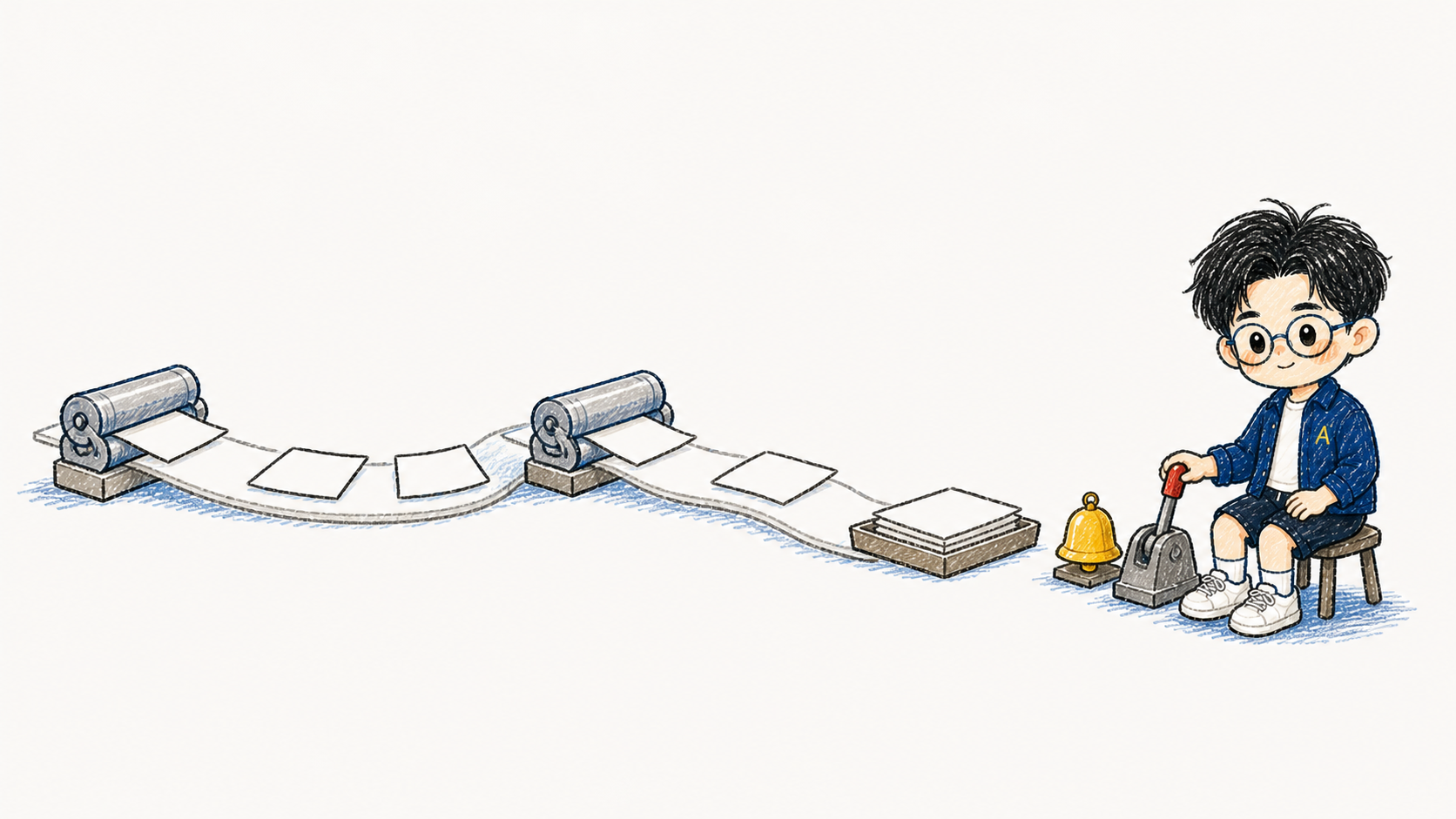
Human control is not the same as constant intervention. A well-designed system lets an agent move continuously through low-risk work, then returns with enough context when a consequential threshold is reached. The person should see the intended action, its scope, the sources and uncertainty behind it, whether it is reversible, and the options if it is rejected.
That is very different from a vague button that says “Approve?” without explaining what is being approved.
Permissions should match the work
An agent does not need the same permissions everywhere. A research role can be read-only. A drafting role can create a candidate document but not change the final version. Only a flow with the appropriate human decision should be able to take an external action.
This separation also makes failures easier to understand. You can tell whether the issue came from source quality, reasoning, content, permissions, or execution. When every worker can do everything, a failure becomes a large and ambiguous conversation.
Content is a useful example
Fluent prose often looks finished before it is ready. But a human should still decide whether the topic deserves the reader's attention, whether the evidence supports the claim, whether the viewpoint is one the author will stand behind, and whether the material is mature enough to publish.
An agent can prepare research, compare angles, build an outline, and draft candidate copy. The author should retain the decision over topic, claim boundary, public commitment, and final release. That is not a temporary workaround for weak models. It is where responsibility belongs.
The best gate does not block work. It removes people from mechanical actions so they can appear when judgment changes the consequence of the workflow.